A home can look beautiful in photographs and still feel strangely uncomfortable when you spend time in it. Maybe the furniture is impressive, the colors are fashionable, and every corner seems carefully arranged, yet something doesn’t quite fit. Often, the difference between a room that simply looks good and one that genuinely feels like home comes down to the decisions made behind the design.
Interior design is about more than choosing paint colors or finding a sofa that matches the curtains. It shapes the way people move through their homes, where they gather, how they relax, and even how they begin and end their days. The most successful spaces tend to balance appearance with practicality. They have personality, but they also make everyday life a little easier.
A Home Should Tell Your Story
Walk into a thoughtfully designed home and you can often sense something about the people who live there. Perhaps there’s a reading chair beside a sunny window, a collection of travel souvenirs on an open shelf, or a dining table that has clearly hosted years of family conversations. These details may not look like much individually, but together they give a space its character.
That’s one reason custom interiors can be so appealing. Rather than relying entirely on ready-made layouts or following whatever style is popular at the moment, a tailored design considers the people who will actually use the space. A family with young children may need durable finishes and generous storage, while someone who works from home might value a quiet corner with good lighting and a comfortable desk.
The process begins with questions, not furniture catalogs. How do you spend your mornings? Do you enjoy entertaining friends, or is home your place to escape a busy schedule? Which belongings matter to you, and what frustrates you about your current rooms?
Honest answers provide a stronger foundation than choosing a style simply because it looks attractive online. A beautiful home should reflect real life, not create another set of expectations to maintain.
Find the Balance Between Style and Comfort
Trends can be useful sources of inspiration. A new color palette might brighten a dark room, while a different furniture arrangement can make a small living area feel surprisingly spacious. But trends move quickly, and not every popular idea deserves a place in your home.
The key is deciding which elements genuinely suit your surroundings. Soft neutral shades can create a calm atmosphere, while deeper colors may bring warmth and character to a room with plenty of natural light. Natural materials, textured fabrics, and carefully selected lighting can add depth without making a space feel crowded.
A timeless interior doesn’t have to be plain or traditional. It simply relies on choices that continue to feel right after the excitement of a new trend has passed. Well-proportioned furniture, practical layouts, quality materials, and a color scheme that works with the building itself can provide a lasting foundation.
You can still introduce personality through smaller details. Cushions, artwork, lamps, and decorative objects are easier to change than flooring or fitted cabinetry. This approach gives you room to experiment without committing your entire home to a look you might outgrow in a year.
And remember, comfort matters. A chair may be sculptural and beautiful, but if nobody wants to sit in it, its value is limited. Design should invite people in, not leave them afraid to touch anything.
Good Design Starts With the Way You Live
Before making major changes, pay attention to how your home functions throughout the day. Notice where bags collect near the entrance, where natural light falls in the afternoon, or why the kitchen becomes crowded whenever several people prepare a meal. These everyday observations often reveal more than a formal wish list.
Practical planning can make a noticeable difference. Storage near the entrance helps keep shoes and bags from spreading into living areas. Task lighting makes reading, cooking, and working more comfortable. Clear walking routes prevent furniture from making a room feel cramped, even when the individual pieces are attractive.
This is where livable interiors stand apart from spaces designed mainly for display. They accommodate ordinary routines, occasional mess, changing needs, and the small unpredictabilities that come with sharing a home. Materials should suit the level of activity in each room. A delicate finish may be fine in a rarely used guest room, but a busy family kitchen needs surfaces that can withstand regular cleaning.
Think about the future, too. A child’s bedroom may eventually become a study, and a spare room might need to serve as both an office and a guest space. Flexible furniture and adaptable storage can help a home evolve without requiring a complete redesign every few years.
Related reading: Top 10 Home Improvement Projects That Increase Property Value · Home Improvement on a Budget: 15 Affordable Upgrades
The Details Often Make the Difference
When people think about interior design, they often focus on the most visible features: a statement sofa, a dramatic wall, or an impressive kitchen island. Yet the details behind those features are just as important.
Cabinet doors that open comfortably, drawers that use awkward corners efficiently, and shelves positioned at practical heights can make everyday tasks smoother. The placement of electrical outlets, the direction of door swings, and the relationship between lighting and furniture all affect how a room works.
Materials deserve careful consideration as well. Timber introduces warmth, stone can add texture and durability, and fabrics help soften hard surfaces. Each material has its own maintenance requirements, so appearance should be considered alongside cleaning, wear, and long-term performance.
Good planning also helps avoid costly mistakes. Measuring furniture before ordering it may sound obvious, but it’s surprisingly easy to underestimate the space needed for a dining chair to slide back or a wardrobe door to open fully. A floor plan can reveal these problems before purchases are made.
Attention to these seemingly small decisions is a sign of thoughtful craftsmanship. It reflects an understanding that quality isn’t always about making something look expensive. Sometimes it means making a handle comfortable to grip, aligning finishes neatly, or ensuring a storage unit fits the available space without wasting an inch.
Lighting and Texture Bring a Room to Life
Lighting can change the mood of a room more dramatically than many people expect. Bright, even illumination may be useful for cooking or working, while softer light can make a living room feel relaxed in the evening. Instead of depending on a single ceiling fixture, consider combining ambient lighting with task lights and smaller lamps.
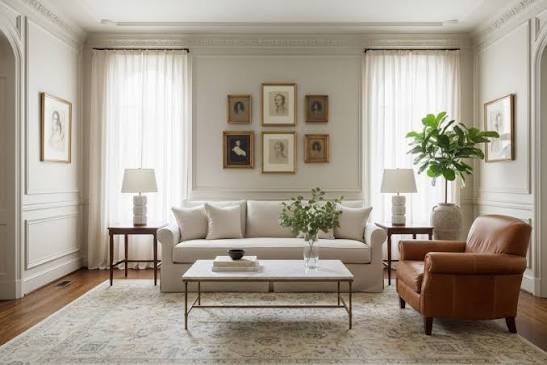
Natural light deserves equal attention. Sheer curtains can preserve privacy while allowing daylight to enter, and mirrors placed thoughtfully may help distribute light around a room. However, the best arrangement depends on window placement, the direction the room faces, and the amount of sunlight available.
Texture is another useful tool. Linen, wool, wood, stone, and woven materials can create visual interest even when the color palette is restrained. A smooth tabletop beside a textured rug, for instance, gives the eye something to notice without requiring bold patterns everywhere.
The trick is knowing when to stop. Too many competing finishes can make a room feel unsettled, while a few carefully chosen materials create a more cohesive result. You don’t need to fill every surface or decorate every empty corner. A little breathing room often makes the pieces you love stand out more clearly.
Invest Where It Matters Most
Redesigning a home can become expensive quickly, particularly when every room seems to need something new. A more practical approach is to decide where your money will make the biggest difference.
If the kitchen is difficult to use, improving its layout may be more valuable than buying decorative accessories. If a living room feels dark, better lighting and lighter window treatments could transform it without replacing all the furniture. In other cases, repairing existing pieces or reusing family furniture may create a more personal result than purchasing everything from scratch.
Set a realistic budget and include a contingency for unexpected costs. Structural work, plumbing changes, and electrical improvements can introduce expenses that aren’t immediately visible. It’s also worth separating essential improvements from optional upgrades, so you know where to adjust if costs begin to rise.
A good designer or contractor should be willing to explain alternatives, material choices, and the practical implications of each decision. Clear communication at the beginning can prevent misunderstandings later.
A Beautiful Home Is One You Enjoy Living In
The best interior design rarely depends on one spectacular feature. It comes from the relationship between many thoughtful choices: a useful layout, comfortable furniture, appropriate lighting, materials that suit the household, and personal details that make the space feel familiar.
Start by understanding what your home needs and how you want it to feel. Take your time choosing materials, pay attention to the details, and resist the pressure to change everything at once. Some of the most meaningful improvements are surprisingly simple.
Ultimately, a home should support the life happening inside it. It should welcome tired evenings, busy mornings, unexpected guests, quiet weekends, and all the ordinary moments in between. When beauty and practicality work together, a room becomes more than a finished design. It becomes a place where you can settle in, feel comfortable, and truly belong