Most of us don’t give much thought to the water flowing from our taps until something changes. Perhaps the kettle develops a layer of white scale, the bathroom sink shows rusty stains, or drinking water has an odd taste that wasn’t there before. These little annoyances can be easy to ignore, especially when life is already busy. Still, they can be useful reminders to take a closer look at what’s coming through the plumbing.
Clean water matters for more than convenience. It plays a role in cooking, bathing, cleaning, and protecting household appliances. While public water supplies are generally treated to meet applicable safety standards, local conditions and plumbing systems can influence the water that eventually reaches your home. Understanding the problem is often the simplest way to find an effective solution.
Why Water Quality Deserves Your Attention
The characteristics of household water depend on its source, the surrounding environment, treatment processes, and sometimes the age and condition of the pipes carrying it. Groundwater passing through mineral-rich rock, for example, may contain high levels of calcium and magnesium. These minerals cause hard water, which can leave deposits on taps, shower screens, and heating elements.
Other households experience problems with iron, sediment, unpleasant odours, or changes in taste. Some concerns are primarily cosmetic, while others deserve further investigation. The important thing is not to assume that every unusual smell signals a serious hazard or that clear water is automatically safe to drink.
Certain contaminants cannot be detected through sight, taste, or smell alone. Depending on the location and water source, testing may be needed to check for microorganisms, nitrates, metals, or other substances. Private well owners should be particularly attentive to regular testing because their water isn’t monitored in the same way as a public supply.
Understanding water quality begins with gathering reliable information rather than relying on guesswork. A water test can help identify specific concerns and establish whether treatment is necessary. It also provides a useful foundation for comparing equipment and avoiding unnecessary expenses.
Identifying the Problem Before Buying Equipment
When homeowners notice a water issue, buying a filter can seem like the obvious next step. However, treatment equipment is designed for different purposes, and choosing the wrong product may leave the original problem unresolved.
Start by describing what you’ve noticed. White deposits usually suggest mineral scale, while reddish or brown staining can be associated with iron. A chlorine-like smell may be linked to disinfectants used in municipal treatment, although other causes are possible. Cloudiness can result from suspended particles or trapped air, among other factors.
These observations can help guide testing, but they cannot confirm the exact cause. A professional assessment or suitable laboratory analysis may be necessary, especially when health-related contaminants are a concern.
Ask what a proposed test measures, how the sample should be collected, and whether the results are sufficient to recommend a treatment method. Some basic screening services only check a limited set of parameters. More comprehensive testing may be needed depending on the water source and local risks.
Once you understand the results, the decision becomes more straightforward. Instead of paying for a complicated system with features you may never use, you can focus on the specific issue affecting your home.
Exploring Different Water Treatment Solutions
There is no single system that works equally well for every household. Effective water treatment solutions are selected according to the substances present, the amount of water used, and the purpose of treatment.
Water softeners are a common choice for homes with hard water. Most conventional systems use ion exchange to reduce calcium and magnesium. By limiting mineral scale, they can make cleaning easier and help protect certain water-using appliances. However, softeners don’t automatically remove bacteria, pesticides, or every dissolved contaminant.
Sediment filters serve a different purpose. They capture suspended particles such as sand, dirt, and rust before those materials travel farther through the plumbing. Depending on the filter’s rating and design, they can help protect other treatment equipment from excessive particle buildup.
Activated carbon filters are often used to improve taste and odour. Some are designed to reduce chlorine and particular organic compounds, but performance varies by model and certification. This makes it important to check exactly what a filter has been tested to remove.
Reverse osmosis systems can reduce many dissolved substances through a specialised membrane. They’re frequently installed beneath kitchen sinks for drinking and cooking water. Although useful for certain applications, they require maintenance and usually send some water to a drain during operation.
For households with more than one concern, a combination of technologies may be appropriate. A sediment filter, softener, and drinking water filter can each serve a distinct purpose. The arrangement should be based on test results and professional advice rather than simply adding more equipment.
What Makes Water Purification Effective?
People often use the terms filtration and purification interchangeably, but they don’t always mean the same thing. Filtration typically involves removing particles or selected substances as water passes through a medium. Purification can refer to broader treatment processes intended to address particular contaminants, including microorganisms or dissolved chemicals.
Effective water purification depends on choosing a technology that targets the actual concern. For example, ultraviolet treatment can inactivate susceptible microorganisms when the system is properly designed, installed, and maintained. However, UV light does not remove dissolved chemicals, heavy metals, or sediment. Water may need pretreatment before UV disinfection works reliably.
Reverse osmosis can reduce many dissolved substances, while certain specialised filters target particular metals or chemicals. Boiling can help address many biological hazards during an appropriate emergency, but it does not remove chemical contamination and may concentrate some dissolved substances as water evaporates.
These distinctions matter because a product advertised as a complete purification solution may have important limitations. Check independent certifications, performance data, and the manufacturer’s instructions before making a decision. If testing identifies a serious contamination problem, consult the relevant water authority or a qualified water treatment professional about suitable corrective action.
Should You Treat Water Throughout the House?
Some water concerns affect only drinking and cooking, while others appear at nearly every tap. The best approach depends on where treatment will provide the greatest benefit.
A point-of-use filter treats water at a specific location, such as a kitchen sink. This can be a practical option when taste or a particular drinking water concern is the main priority. These systems generally cost less to install than larger whole-house equipment, although replacement cartridges remain an ongoing expense.
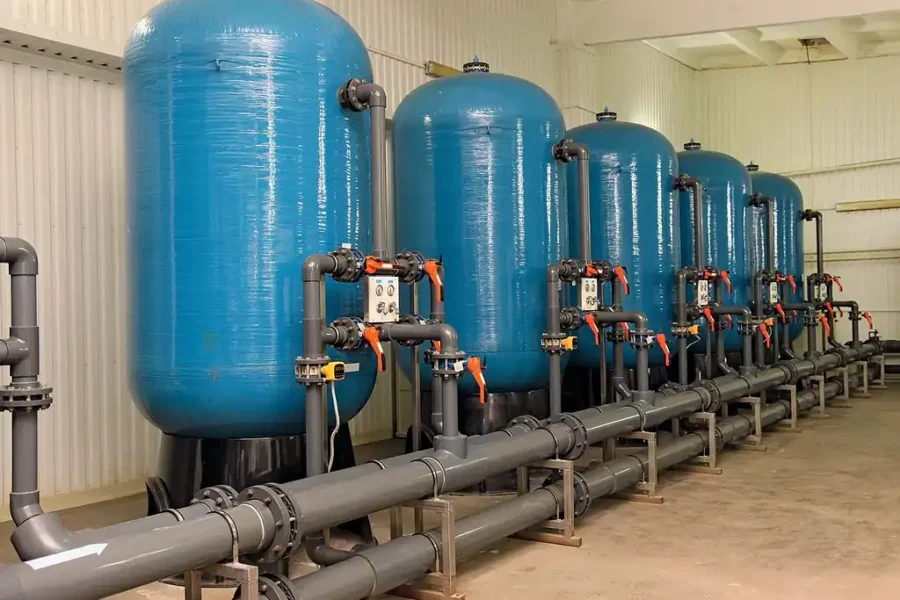
Whole-house systems treat water as it enters the property. Depending on their configuration, they may reduce sediment, chlorine, or other targeted substances throughout the plumbing network. Homes affected by severe hardness may also require a separate softener.
Before installing a whole-house unit, consider water pressure, flow rate, available space, and the needs of your household. A system must provide enough treated water when several taps and appliances are operating at once. Otherwise, daily routines may become frustrating.
It’s also worth comparing the total cost of ownership. Equipment prices are only one part of the picture; installation, replacement media, electricity, salt, and routine service can all contribute to long-term expenses.
Maintenance Is Part of the Investment
Even a well-chosen treatment system needs attention. Filter cartridges become exhausted, softeners require regeneration, and some equipment needs periodic inspection. Ignoring these requirements can reduce performance and make it difficult to know whether the water is still being treated effectively.
Follow the manufacturer’s replacement schedule and keep records of maintenance visits. If the system is intended to reduce a specific contaminant, periodic testing may help confirm that it continues to perform as expected.
Choose equipment with readily available replacement parts and clear service instructions. A lower-priced unit may not be the best bargain if its cartridges are difficult to find or its maintenance costs are unexpectedly high.
Making a Better Choice for Your Home
Good water treatment begins with a simple question: what problem are you trying to solve? Once that is clear, appropriate testing and reliable advice can help you compare solutions without being distracted by exaggerated promises.
Some homes need only a basic drinking water filter, while others may benefit from softening, specialised filtration, or a combination of treatment methods. The right choice depends on the water source, test results, household requirements, and budget.
Taking time to understand these factors can save money and prevent disappointment later. More importantly, it helps you make decisions based on evidence rather than assumptions. With suitable equipment, regular maintenance, and attention to changing water conditions, you can improve everyday comfort and make a more informed investment in your home’s water supply.