Water dripping under the kitchen sink at 11 pm. A toilet that won’t stop running. A shower that turns into a puddle around your feet. If any of that sounds familiar, you already know how annoying common plumbing problems can be — and how they always seem to show up at the worst possible time.
The good news? Most of these issues aren’t actually complicated. You don’t need to be a licensed plumber to fix a leaky tap or unclog a drain. With a basic toolkit and a bit of patience, you can handle a surprising number of household plumbing headaches yourself, save some money, and only call in a professional when things genuinely need one. In 2026, with plumber visit charges climbing in most Indian cities, learning a few of these basics just makes sense.
Let’s go through the common plumbing problems homeowners run into most, and how to actually fix them.
1. Leaky Faucets: The Slow Money Drain
A dripping faucet seems harmless. It isn’t.
Common plumbing problems like this one waste more water than people realize — a single tap dripping once per second can waste over 3,000 litres a year. That’s not a small number, especially if you’re on a metered water connection.
Most leaks come down to a worn-out washer or O-ring inside the tap. Here’s the basic fix:
- Turn off the water supply to that fixture (there’s usually a small valve under the sink).
- Remove the tap handle — usually one screw, sometimes hidden under a decorative cap.
- Take out the cartridge or stem and inspect the rubber washer.
- Replace the washer with a matching size (carry the old one to the hardware store, don’t guess).
- Reassemble and turn the water back on.
Takes maybe twenty minutes once you’ve done it a couple of times. I’ve fixed the same kitchen tap three times over the years — cheap washers just don’t last forever, and honestly, that’s fine. It’s still way cheaper than a service call.
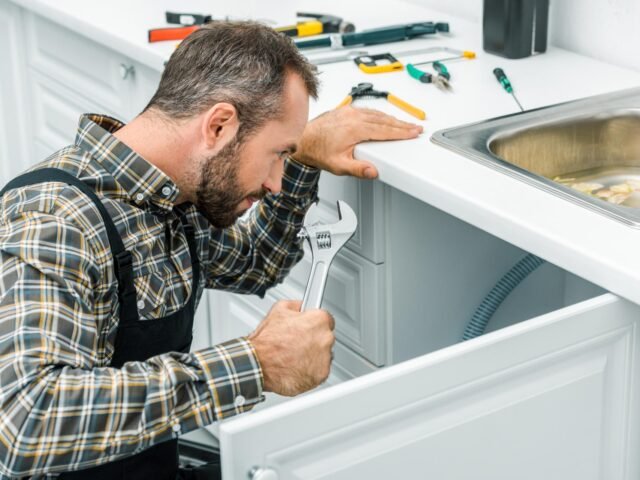
A leaky faucet is almost always a worn washer or cartridge, not a bigger issue. Shut off the water, swap the part, and you’re done in under half an hour — no special tools required beyond an adjustable wrench.
2. Clogged Drains: The Kitchen Sink’s Worst Enemy
Nothing ruins a Sunday like standing water in the sink.
Grease, soap scum, hair, and food particles are the usual culprits behind clogged drains — one of the most common plumbing problems in Indian kitchens and bathrooms alike. Picture this: a small business owner running a tiffin service out of her home kitchen in Jaipur, washing dozens of dabbas a day. Grease buildup in her drain isn’t an occasional annoyance — it’s a weekly battle.
Before reaching for chemical cleaners (which, honestly, I’d avoid using too often — they’re rough on older pipes), try these:
- Plunger method: Fill the sink with a couple inches of water, then plunge firmly 15-20 times. Works for most simple clogs.
- Boiling water + baking soda + vinegar: Pour boiling water down, follow with half a cup of baking soda, then a cup of vinegar. Let it fizz for 10 minutes, then flush with more hot water.
- Plumbing snake: For stubborn clogs, a drain snake (available for under ₹300 online) can physically pull out hair and gunk that liquids won’t touch.
If none of that works and water’s still backing up after multiple attempts, there’s likely a deeper blockage in the main line — that’s when you call a professional. [link to related guide on preventing kitchen drain clogs here]
3. Running Toilets: The Silent Water Wester
That faint hissing sound after you flush? That’s water — and money — going straight down the drain, sometimes literally.
A running toilet is usually caused by a faulty flapper valve, a misaligned float, or a fill tube that’s come loose. Common plumbing problems with toilets are almost never about the toilet itself breaking; it’s the small internal parts that wear out.
Here’s what to check, in order:
- Take the tank lid off (carefully — it’s heavier than it looks).
- Watch the flapper valve at the bottom. If water’s leaking past it into the bowl even when it’s supposed to be sealed, that’s your problem. Flappers cost around ₹150-300 and take five minutes to replace.
- Check the float — if it’s set too high, water keeps overflowing into the overflow tube. Adjust the float arm or the float cup lower.
- Make sure the fill tube (the small tube from the fill valve) is actually clipped into the overflow tube, not just dangling loose.
I’ll be honest, this is the fix I recommend to almost everyone first, because it’s the cheapest one on this list and solves probably 70% of “my water bill went up for no reason” complaints I’ve heard from friends.
4. Low Water Pressure: When Your Shower Feels Like a Drizzle
Few things are more frustrating than lathering up and having the water pressure die on you mid-shower.
Low pressure usually traces back to one of a few things: mineral buildup in the showerhead or faucet aerator, a partially closed shut-off valve, or — in older buildings — corroded pipes. Hard water is a big factor in a lot of Indian cities, and it clogs up fixtures faster than people expect.
Try this before assuming it’s a bigger issue:
- Unscrew the showerhead or aerator and soak it in a vinegar solution overnight. Mineral deposits usually dissolve right off.
- Check that the shut-off valves under sinks and near the water meter are fully open — sometimes they get bumped or only partially opened after maintenance work.
- If pressure is low throughout the whole house, not just one fixture, that points to a supply-side issue, and that’s genuinely worth getting a plumber to check.
Has your shower ever gone from a strong spray to basically nothing within a few months? That’s almost always mineral buildup, not a plumbing disaster.
5. Water Heater Issues: No Hot Water, No Fun
Cold showers in December are nobody’s idea of a good time.
Related reading: Signs You Need to Call a Plumber Immediately
Water heater problems are among the trickier common plumbing problems to DIY, mostly because they involve electrical components and, in the case of gas geysers, an actual flame. That said, a few basics are safe to check yourself:
- No hot water at all: Check if the unit is actually switched on and getting power. Sounds obvious, but a tripped circuit breaker is more common than people admit.
- Water heats too slowly: Sediment buildup at the bottom of the tank reduces efficiency. Draining and flushing the tank once a year (turn off power/gas first, connect a hose to the drain valve) helps a lot.
- Water heater making banging or popping noises: Also usually sediment. Same fix as above.
For anything involving the actual heating element, thermostat, or gas line, I’d genuinely steer you toward a professional. This is the one category on this list where I don’t think the DIY savings are worth the risk. [link to guide on choosing the right water heater for your home here]
6. Leaking Pipes: Small Drip, Big Damage
A small pipe leak under a cabinet doesn’t look scary. Give it a month, though, and you’ve got mold, warped wood, and a much bigger repair bill.
Pipe leaks generally come from loose joints, corrosion, or cracks caused by pressure changes or temperature shifts. Copper and PVC pipes handle differently, so the fix depends on what you’re working with.
For a quick temporary fix while you sort out a permanent one:
- Shut off the water supply to that section of pipe.
- Dry the area completely.
- Wrap the leak point tightly with plumber’s epoxy putty or a rubber pipe repair clamp (both available at any hardware store for well under ₹500).
- Let it cure fully before turning the water back on — read the packaging, cure times vary.
This buys you time, not a permanent solution. A patched pipe should still get properly repaired or replaced eventually, especially if it’s an old or corroded section.
7. Toilet Clogs: Beyond the Plunger
Everyone’s dealt with a stubborn toilet clog at some point. It’s not glamorous, but it happens.
Start with a good flange plunger (not the flat sink kind — the one with the extra rubber flap). Push down gently first to avoid splashing, then plunge with force. Most simple clogs clear within a few tries.
If plunging doesn’t cut it:
- A toilet auger (sometimes called a closet auger) reaches further into the trap than a plunger can and is worth the ₹500-800 investment if you’ve got kids or older pipes prone to clogging.
- Avoid flushing anything other than toilet paper — wet wipes, cotton, and sanitary products are the biggest cause of repeat clogs, even ones labeled “flushable.” I genuinely don’t trust that label, and neither should you.
Most toilet clogs clear with a proper flange plunger and a bit of technique. If the water rises alarmingly close to the rim, stop plunging immediately and let it settle before trying again — overflow is a mess nobody wants to deal with.
8. Dripping or Noisy Pipes (Water Hammer)
That loud bang you hear when you shut off a tap quickly? That’s called water hammer, and while it sounds dramatic, it’s usually fixable.
Water hammer happens when water flow stops suddenly and the pressure wave has nowhere to go, so it slams against the pipe walls. Air chambers built into your plumbing are supposed to cushion this, but they can fill with water over time and stop working.
To fix it:
- Shut off the main water supply.
- Open all the taps in the house to drain the pipes completely (this lets air back into the chambers).
- Close the taps and turn the main supply back on.
Sometimes that’s enough. If the banging continues, you might need a water hammer arrestor installed near the problem fixture — a small device that costs relatively little and solves the issue permanently.
Frequently Asked Questions
Q: What’s the most common plumbing problem in Indian households? Honestly, it’s a toss-up between leaky faucets and clogged drains. Hard water makes both worse here than in a lot of other places, since mineral deposits build up faster in fixtures and pipes.
Q: Can I use chemical drain cleaners regularly? I wouldn’t. They work, sure, but they’re harsh on pipes — especially older ones — and can actually make things worse over time. Save them for occasional stubborn clogs, not routine maintenance.
Q: How do I know if a plumbing problem needs a professional? If it involves gas lines, main water supply issues, sewage backups, or anything electrical connected to a water heater, call someone. Anything localized to a single fixture — a tap, a toilet, a showerhead — is usually safe to try yourself first.
Q: Why does my toilet keep clogging even though I’m careful about what I flush? Could be an older toilet with a narrower trapway, or a partial blockage further down the line that keeps catching debris. If it’s a recurring issue, a toilet auger or a professional inspection is worth it.
Q: Is it normal for pipes to make noise? Occasional noise, especially water hammer when a tap shuts off fast, is fairly normal and fixable. Constant creaking, banging, or rattling, though, is worth checking out — it can mean loose pipe fittings or pressure issues.
Q: How often should I flush my water heater? Once a year is a good rule of thumb, more often if you’re in an area with particularly hard water. It genuinely extends the life of the unit and keeps it heating efficiently.
Wrapping Up
Most common plumbing problems — leaky taps, clogged drains, running toilets, low pressure — are well within DIY reach if you’ve got basic tools and a little patience. The trickier stuff, like gas water heaters or main line issues, is where it makes sense to call in a professional rather than risk making things worse.
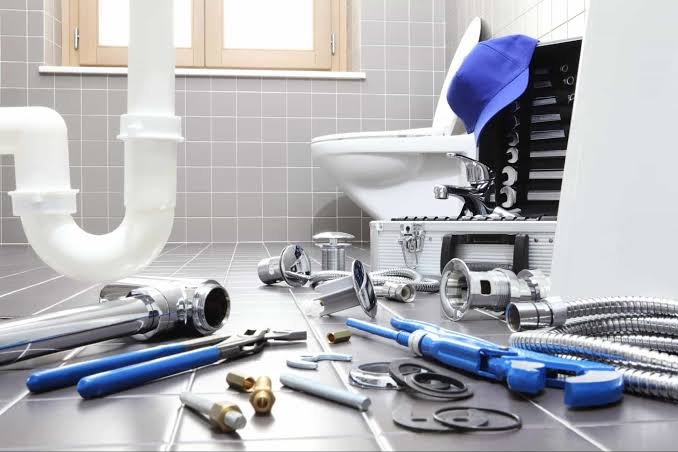
Keep a small plumbing toolkit at home: an adjustable wrench, a flange plunger, some plumber’s tape, and a drain snake will cover you for most situations. Next time something starts dripping or backing up, try the fix yourself before reaching for the phone — you might be surprised how far you get. [link to a beginner’s plumbing toolkit checklist here]