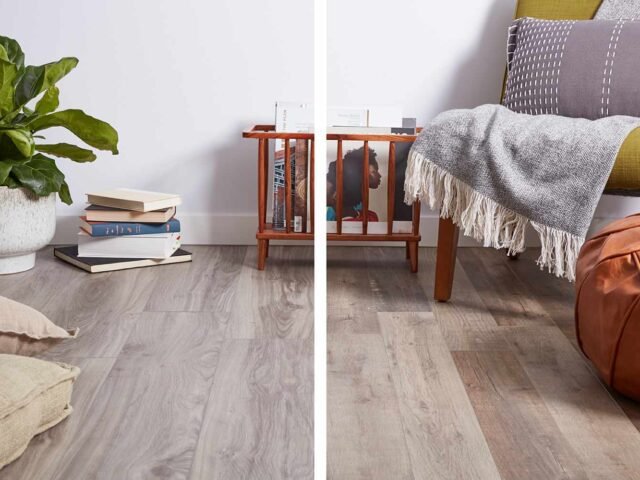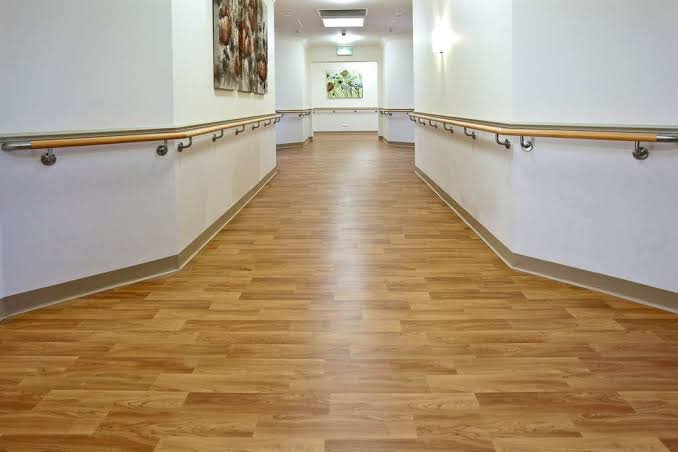
Your living room floor looks fine in photos. Then you notice the scuff marks near the sofa, the dull patch by the front door, the grout that’s gone grey no matter how often you scrub it. Sound about right? Picking the best flooring for high traffic zones — entryways, living rooms, hallways, kitchens — isn’t the same decision as flooring a guest bedroom nobody walks through twice a day. Wear pattern, footfall, moisture, and how forgiving a material is with scratches all matter more here than they do elsewhere in the house.
I’ve redone flooring in two homes now, once badly and once properly, and I’ve got opinions about which materials are worth the extra spend and which ones aren’t. Let’s get into it.
What Actually Makes Flooring “High-Traffic Suitable”?
Before comparing materials, it helps to know what you’re actually testing for. Not every flooring flaw matters equally in a busy area.
Quick answer: The best flooring for high traffic areas needs to resist scratching, handle moisture without warping, clean easily, and hold its finish under repeated footfall — durability and low maintenance matter more here than pure aesthetics alone.
A few practical factors worth weighing before you fall in love with a look:
- Scratch and dent resistance — pets and furniture legs are the real test, not showroom samples
- How it handles moisture, especially if it’s near an entrance or kitchen
- Ease of cleaning day to day, not just how it photographs
- Noise — hard flooring in busy hallways can get surprisingly loud with regular footfall
Vitrified Tiles
This remains the default choice for most Indian homes, and honestly, for good reason. Vitrified tiles are dense, low-porosity, and handle scratches and stains far better than ceramic tiles do.
I’ve noticed double-charged and full-body vitrified tiles hold up especially well in entryways — the kind of spot where shoes, umbrellas, and grocery bags all pass through daily. Standard glazed vitrified tiles look nice initially but can show scratches faster over a few years of heavy use.
A few things worth knowing:
- Full-body vitrified tiles cost more (roughly ₹80-₹150 per sq ft) but the color runs through the entire tile, so chips are far less noticeable
- Anti-skid variants are worth the small premium for entryways and areas near water sources
- Grout lines can still trap dirt over time — go with a slightly darker grout shade in high-traffic zones, it hides wear better than white
Vinyl and SPC (Stone Plastic Composite) Flooring
This category has grown a lot in Indian homes over the last few years, and I think it’s a genuinely underrated option for high-traffic spaces, especially for people who want a wood look without wood’s maintenance headaches.
SPC flooring, specifically, is rigid, water-resistant, and handles scratches better than laminate. It’s become a popular choice for home offices and living rooms where people want warmth underfoot without the upkeep of real hardwood.
- SPC flooring typically runs ₹120-₹250 per sq ft installed, depending on thickness and finish quality
- Waterproof enough for kitchens and semi-covered balconies, unlike traditional laminate
- Easier and faster to install than tiles, since it often clicks together over existing subfloors without major demolition
The one thing I’d flag: cheaper vinyl variants can feel a bit hollow underfoot and don’t always age as gracefully. If you’re going this route, spend a little more for a quality SPC core rather than the absolute cheapest option available.
Granite and Natural Stone Flooring
Granite has been a staple in Indian homes for decades, and it genuinely earns its reputation for durability. It’s hard, scratch-resistant, and handles heavy foot traffic without much complaint over the years.
Picture a small business owner in Jaipur running a retail shop with granite flooring installed over 12 years ago. Despite thousands of customers walking through daily, the floor still looks structurally solid — a bit dulled in patches, sure, but nowhere close to needing replacement. That’s the kind of longevity granite offers when it’s properly sealed and maintained.
That said, granite isn’t without downsides:
- Cold underfoot, which matters more in winter months than people expect
- Can feel slippery when wet, so it needs anti-skid treatment in areas prone to spills
- Heavier and pricier to install than tiles, generally ₹150-₹400 per sq ft depending on the grade and finish
Engineered Wood Flooring
Real hardwood is beautiful, no argument there. But for genuinely high-traffic zones, I’d actually push back on solid hardwood as the go-to choice — it scratches more easily than people expect, and Indian humidity levels don’t always play nice with it.
Engineered wood is a reasonable middle ground. It’s more stable than solid wood in humid conditions, and modern finishes have gotten considerably more scratch-resistant over the last several years.
Quick answer: Engineered wood flooring works well in moderately high-traffic areas when finished with a durable top coat, offering the warmth of wood with better humidity resistance than solid hardwood, though it still requires more care than tile or stone in genuinely heavy-use zones.
Related reading: Hardwood vs Laminate vs Vinyl Flooring: Pros and Cons
Costs typically range from ₹200-₹500 per sq ft depending on the wood species and finish quality, so it sits toward the pricier end compared to tile or vinyl options.
[link to related guide about engineered wood vs solid hardwood here]
Polished Concrete Flooring
This one’s gained popularity in newer homes and cafes going for an industrial, minimal look — and functionally, it holds up really well in busy spaces.
Polished concrete is extremely durable, handles heavy foot traffic without much wear, and requires relatively low maintenance once properly sealed. It’s also one of the more budget-friendly options if you’re doing a larger area, since it skips the material cost of tiles or stone entirely.
The tradeoffs: it’s cold and hard underfoot (similar to granite), and if not sealed properly, it can develop dust and minor surface cracks over years. Also, once it’s done, changing your mind about the look means a genuinely involved redo — unlike tiles, which can be replaced section by section if needed.
Laminate Flooring — Worth It for High Traffic?
Laminate gets recommended a lot for its price point, and I get the appeal. But I’ll be honest — for genuinely high-traffic areas, I’m not its biggest fan.
Standard laminate doesn’t handle moisture well, and in busy zones near entrances or kitchens, spills happen more often than anyone plans for. It also tends to show wear at seams faster than tile, vinyl, or stone.
If you do go with laminate for a moderately busy room:
- Choose a higher AC (Abrasion Class) rating — AC4 or AC5 is meant for commercial-grade durability, not the basic AC1-2 options
- Avoid it near entrances, kitchens, or bathrooms entirely
- Budget for replacement sooner than you would with tile or SPC — laminate simply doesn’t have the same lifespan in heavy-use zones
[link to related guide about flooring maintenance and cleaning tips here]
Comparing Flooring Options by Cost and Durability
| Flooring Type | Approx. Cost (per sq ft) | Durability for High Traffic |
| Vitrified Tiles | ₹80-₹150 | Excellent |
| SPC/Vinyl | ₹120-₹250 | Very Good |
| Granite | ₹150-₹400 | Excellent |
| Engineered Wood | ₹200-₹500 | Good |
| Polished Concrete | ₹80-₹200 | Excellent |
| Laminate | ₹60-₹120 | Fair |
Has any of this changed how you were leaning before reading this? It’s worth pausing on the table above rather than just going with whatever your interior designer suggests first — designers sometimes prioritize look over long-term wear, especially if they’re not the ones living with the floor daily.
FAQ
Q: What is the most durable flooring for high-traffic homes? Vitrified tiles, granite, and polished concrete tend to be the most durable for genuinely high-traffic areas, handling scratches, moisture, and heavy footfall better than wood or laminate options.
Q: Is vinyl flooring good for high-traffic areas? Yes, especially SPC (Stone Plastic Composite) vinyl. It’s water-resistant, scratch-resistant, and holds up well in busy living areas, though quality varies a lot between cheap and premium vinyl products.
Q: Which flooring is best for a home with kids and pets? Vitrified tiles and SPC flooring both handle scratches, spills, and general wear-and-tear well, making them practical choices for households with young kids or active pets.
Q: Is granite flooring good for Indian homes? Yes, granite is a long-standing, durable choice for Indian homes, especially in warmer regions since it stays naturally cool. It does need anti-skid treatment in areas prone to spills, though.
Q: How long does vitrified tile flooring last? With proper installation and reasonable care, vitrified tile flooring can easily last 20-25 years or more, making it one of the more cost-effective long-term choices for high-traffic zones.
Q: Is laminate flooring a bad choice for high-traffic areas? It’s not the ideal choice, no. Laminate handles moisture poorly and shows wear faster than tile or vinyl in busy zones, so it’s better suited to lower-traffic rooms like bedrooms.
Conclusion
There’s no single “best” answer here — the best flooring for high traffic areas in your home depends on your budget, whether moisture is a concern, and how much upkeep you’re actually willing to do. Vitrified tiles and granite remain hard to beat for pure durability, while SPC flooring offers a solid middle ground if you want a warmer look without sacrificing practicality.
Before you commit, walk through your busiest rooms and think honestly about what they deal with daily — muddy shoes, spilled chai, a dog that doesn’t quite understand “wipe your paws.” That reality check usually narrows the choice down faster than any showroom visit will.