Scroll through Pinterest for ten minutes and you’ll come away thinking everyone’s redoing their entire house this year. They’re not, obviously. But there is a real shift happening in home design trends 2026, and some of it is genuinely worth paying attention to — not because it’s trendy, but because it solves real problems people have with their homes.
I’ll be upfront: I think a lot of “trend” content online is just noise dressed up as insight. Half of it won’t matter in eighteen months. But a few things showing up across design reports this year — warmer materials, more flexible rooms, a real move away from cold minimalism — actually reflect how people want to live, not just how a space photographs. Let’s go through what’s real, what’s hype, and what’s worth spending money on.
The Big Shift: Away from Cold Minimalism
Quick answer: Home design trends 2026 are moving away from stark, all-white minimalism toward warmer, more textured spaces — think natural wood, layered lighting, and rooms that feel personal rather than showroom-perfect. The goal now is comfort and character, not a picture-perfect blank slate.
For years, the dominant look was clean lines, white walls, and not much else — the Instagram-minimalist aesthetic that honestly looked a bit sterile in real life. That’s fading, and I don’t think many people are sad about it.
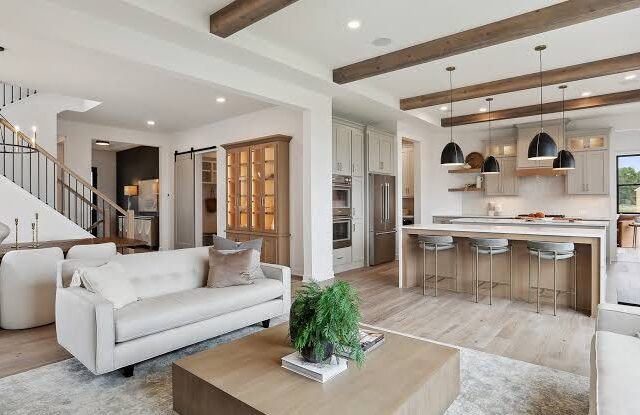
What’s replacing it is warmer, richer, more tactile. Wood grain is back in a real way — not glossy laminate, but actual textured wood finishes on furniture, cabinetry, even door frames. Rooms are being designed to feel collected over time rather than bought in one showroom trip, mixing older pieces (maybe something inherited, or picked up secondhand) with newer furniture instead of matching everything perfectly.
Warm, Earthy Color Palettes Are Taking Over
Bright white walls and cool greys, which dominated for the better part of a decade, are giving way to warmer, more grounded tones this year.
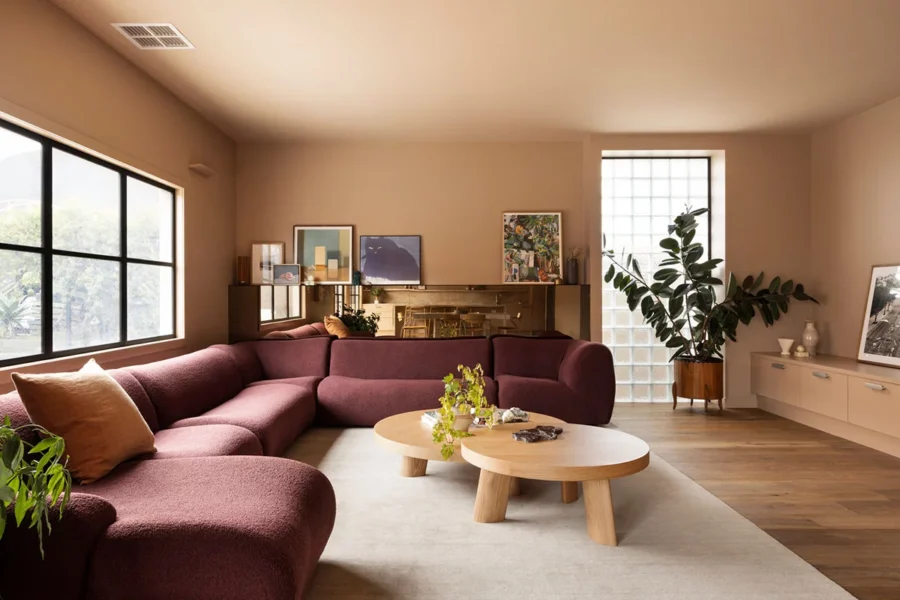
Think terracotta, deep clay, warm olive, muted rust, and rich browns — colors that feel connected to natural materials rather than a paint swatch chosen for its neutrality. This actually works especially well in Indian homes, since a lot of these tones already show up naturally in things like exposed brick, terracotta tile, and traditional textiles.
A few specific colors showing up a lot in 2026 design reports:
- Deep, moody greens paired with warm wood tones
- Terracotta and clay shades, especially in kitchens and living rooms
- Soft, sandy neutrals instead of stark white or cool grey
- Rich browns used on cabinetry and larger furniture pieces, not just accents
[link to related guide about choosing the right paint color for every room here]
Natural and Tactile Materials Over Synthetic Finishes
Quick answer: A defining piece of home design trends 2026 is the shift toward natural, tactile materials — real wood, stone, rattan, and woven textiles — over synthetic or overly polished finishes, driven by a demand for spaces that feel authentic and age well rather than look flawless on day one.
People are genuinely tired of finishes that look perfect in a showroom and then show every scratch within a year. There’s a real preference now for materials that develop character as they age — wood that gets a patina, stone with natural variation, woven textiles with visible texture.
This shows up in a few practical ways: rattan and cane furniture making a comeback (which, fair enough, has always made sense in Indian heat anyway), textured plaster finishes on walls instead of flat paint, and stone or wood countertops chosen specifically for their natural variation rather than a uniform, machine-perfect look.
I’ll admit I was skeptical of this one at first — it felt like it might just be a rebrand of “expensive natural materials” for people who can afford them. And to some extent that’s true. But the underlying idea, that a home should feel like it’s aging with you rather than just deteriorating, is a genuinely good shift in how people think about their spaces.
Flexible, Multi-Purpose Rooms
Rigid room definitions — this room is only a bedroom, this room is only a dining room — are loosening up, and honestly, this trend feels less like a fashion statement and more like a practical response to how people actually live now.
With more people working from home at least part of the week, guest rooms are doing double duty as home offices. Dining tables fold down or extend depending on the day. Even living rooms are being designed with movable furniture and partitions so a space can shift from a family TV evening to a small home gym session without much rearranging.
Picture a family in a 2BHK in Bengaluru — that spare room isn’t just a guest room anymore. It’s a home office on weekdays, a guest room when family visits, and honestly probably a storage overflow room half the time too. Furniture and design that supports switching between these uses without a full rearrange each time is what this trend is actually about.
Indoor-Outdoor Living Gets More Attention
Bigger doors, better connection between indoor rooms and balconies or terraces, and more greenery brought inside — this trend has been building for a few years and it’s still going strong in 2026.
Related reading: Open Concept vs Closed Floor Plan: Which Is Better?
For Indian homes, this often looks less dramatic than the sliding-glass-wall versions you see in Western design content, and more like maximizing whatever outdoor space exists — a balcony turned into a proper sitting area, better lighting on a terrace, plants used as a visual bridge between the inside and outside of a flat.
A few practical versions of this trend:
- Folding or sliding doors between a living room and balcony, where the layout allows it
- More plants placed near windows and doorways specifically to blur the indoor-outdoor line visually
- Outdoor-friendly furniture on terraces and balconies that actually gets used, not just decorative
- Natural light prioritized in renovations — bigger windows or skylights where structurally possible
Smart Home Tech, But Quieter About It
Smart home technology isn’t new, but the way it’s being integrated in 2026 has shifted — it’s less about showing off gadgets and more about tech that just quietly works in the background.
Automated lighting, voice-controlled systems, and hidden charging stations are becoming standard rather than novelty features, especially in newer apartment developments. What’s changed is the emphasis on making this tech invisible — built into cabinetry, hidden behind panels, integrated so it doesn’t look like a tech showroom.
Has your home ever felt like it’s fighting you with too many visible cords and gadgets? That’s exactly what this shift is responding to. The goal in 2026 isn’t more visible technology, it’s less visible friction.
Design for Multigenerational and Aging-Friendly Living
This one doesn’t get talked about as much in flashy trend roundups, but it’s a real and growing part of home design trends 2026 — designing homes to genuinely work for multiple generations living together, which, let’s be honest, describes a huge number of Indian households already.
Wider doorways, fewer level changes between rooms, better lighting in hallways and bathrooms, and grab bars that don’t look clinical or hospital-like are all showing up more in renovation planning. It’s less about a specific aesthetic and more about homes that actually work for grandparents, parents, and kids sharing the same space long-term.
Which of These Trends Are Actually Worth the Money
Not every trend deserves a spot in your renovation budget, and I think it’s worth being honest about that instead of pretending everything on a trend list is equally important.
Warmer color palettes and textured materials are genuinely low-cost and low-risk to try — a paint change or new cushions doesn’t lock you into anything permanent. Flexible room design and multigenerational-friendly layouts are worth real investment if you’re renovating anyway, since they solve actual daily problems rather than chasing a look. Smart home tech is worth it selectively — full automation gets expensive fast, so pick the two or three things (lighting, maybe security) that matter most to you rather than doing everything at once.
Some trends, on the other hand — like ultra-specific aesthetic movements that show up on social media one year and vanish the next — probably aren’t worth committing real renovation budget to. Save those for cushions and small decor, not structural changes.
Frequently Asked Questions
What is the biggest home design trend for 2026? The clearest shift is away from cold, stark minimalism toward warmer, more textured spaces — natural materials, earthy colors, and rooms designed to feel personal rather than showroom-perfect.
Are bright white walls still in style in 2026? They’re not disappearing entirely, but warmer neutrals, terracotta, and deeper earthy tones are getting a lot more attention this year compared to the cool white and grey palettes that dominated the last several years.
Is smart home technology worth investing in for 2026? Selectively, yes — automated lighting and hidden charging or tech integration are becoming more standard and genuinely useful, but full-home automation is still expensive enough that it’s worth prioritizing rather than doing everything at once.
What materials are trending in 2026 home design? Natural, tactile materials are having a real moment — textured wood, rattan and cane, stone with visible natural variation, and woven textiles, all replacing the more synthetic, uniform finishes that were popular before.
Do I need to renovate to follow 2026 design trends? Not at all — a lot of the current shift (warmer colors, textured cushions and throws, more plants, better lighting) can be done through small, swappable changes rather than a full renovation.
Is minimalism completely out in 2026? Not exactly out, but it’s evolved — the current version leans toward “warm minimalism,” which keeps clean lines and uncluttered layouts but adds texture, natural materials, and warmer tones instead of the starker, colder minimalism from a few years back.
Final Thoughts
Home design trends 2026 aren’t really about chasing whatever’s popular on social media this month — the trends actually worth following are the ones solving real problems: rooms that flex to how you live, materials that age well instead of just looking good on day one, and tech that fades into the background instead of dominating a room. Not everything needs to change, and honestly, most of us don’t need a full renovation to feel the shift.
Pick one or two things from this list that actually fit how you live — maybe it’s finally adding warmer lighting, or rethinking that spare room that’s neither office nor guest room right now — and start there before committing to anything bigger this year.