Ever gotten back from a trip and immediately started worrying you left the gas on, or the front door unlatched? That nagging feeling isn’t irrational — it’s usually a sign you didn’t have a proper plan before leaving. Good home security tips aren’t about being paranoid; they’re about closing the small gaps that make an empty house obvious to anyone watching.
I learned this one the hard way. Went on a ten-day trip a few years back, came home to find newspapers piled up at the gate, curtains never once moved, and a house that basically screamed “nobody’s home” to anyone walking past. Nothing happened, thankfully, but it rattled me enough to actually build a proper pre-vacation checklist. This guide walks through exactly what that looks like, with practical, India-specific advice — not the generic “lock your doors” stuff you find everywhere else.
Why Vacant Homes Are Easy Targets
Direct answer: Vacant homes attract burglars because visible signs — uncollected mail, dark windows every night, silent routines — signal an empty house within days. Most break-ins happen not through forced entry, but because the house simply looked unoccupied and unwatched.
Here’s something a lot of people don’t realize — burglars aren’t typically watching your house for weeks planning an elaborate heist. Most of the time, it’s opportunistic. Someone notices the same newspaper sitting untouched for three days, or a house that’s dark every single night for a week straight, and they take a chance.
I’ve noticed that a lot of us think about security in terms of locks and alarms, but honestly, the bigger vulnerability is routine — or the lack of one. A house that looks lived-in, even when it isn’t, is a far better deterrent than an expensive lock on an obviously empty home.
Statistically, homes without any occupied-appearance cues are far more likely to be targeted than ones with visible activity, even basic stuff like lights or sound. It’s less about high-tech security and more about not looking like an easy, unwatched target.
Home Security Tips Before You Even Leave the House
The prep work you do the day before leaving matters more than most people give it credit for. This is where most of the actual home security tips that matter get overlooked in the last-minute rush of packing.
- Stop mail and newspaper delivery, or ask a trusted neighbor to collect it daily — a stack of newspapers at the gate is basically a billboard announcing you’re away.
- Unplug non-essential electronics — not just for safety from power surges, but a dead giveaway is a house that never shows any electrical activity if someone’s checking meters or watching lights.
- Don’t post vacation photos or check-ins on social media while you’re still away. I know, tempting. But wait till you’re back — plenty of break-ins have been traced to real-time social media posts.
- Inform a trusted neighbor or building watchman specifically, not just casually — give them your travel dates and a contact number.
- Double-check all window locks, not just the ones you use daily. Ground floor and easily accessible windows especially.
- Set outdoor lights on a timer rather than leaving them on constantly — a light that’s on 24/7 for ten days is almost as suspicious as no light at all.
Picture a small business owner in Jaipur heading out for a week-long family wedding trip. She asked her building watchman to collect deliveries, put two lights on timers, and left a spare set of keys with her downstairs neighbor — all free, all took maybe twenty minutes total. That’s really the bulk of effective vacation security right there, no expensive gadgets required.
Smart Home Security Tips for Remote Monitoring
If you’ve got some budget for it, smart devices genuinely add a layer of peace of mind that manual prep alone can’t match.
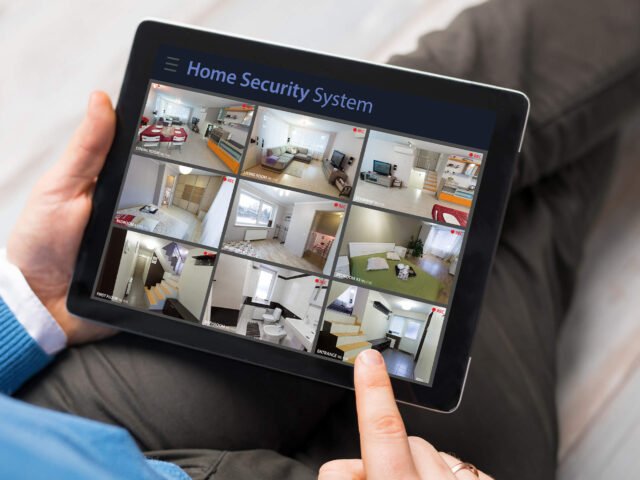
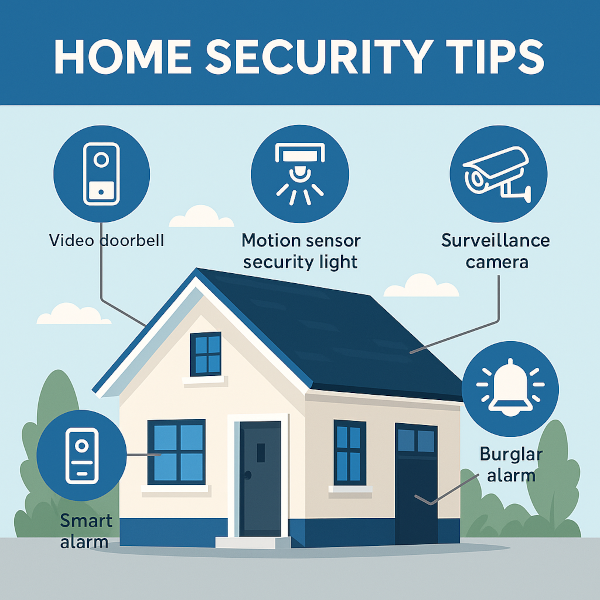
- Wi-Fi security cameras with mobile app access — check in from anywhere, and most models now send motion alerts straight to your phone.
- Smart doorbell cameras — lets you see (and even respond to) anyone at the door while you’re hundreds of kilometers away.
- Smart plugs on a schedule — control lights or a TV remotely to simulate activity, more convincing than a basic timer since you can vary it.
- Door/window sensors — instant alert the moment something’s opened, no waiting to notice something’s wrong when you’re back.
- Smart locks — useful if you need to let in a repair person or family member while you’re away, without handing out physical keys to multiple people.
None of this needs to be expensive. A single Wi-Fi camera covering your main entrance, paired with a couple of smart plugs, covers a solid chunk of the risk for maybe ₹4,000-6,000 total — genuinely not a huge investment for the peace of mind, especially for longer trips.
[link to related guide about best home security system for renters vs homeowners here]
That said, don’t over-rely on tech alone. I’ve noticed people get a false sense of security just because there’s a camera installed — but a camera that alerts you to a break-in in progress doesn’t actually stop it from happening. Combine tech with the basics above, not instead of them.
Securing Doors, Windows, and Entry Points
This sounds obvious, but it’s worth spelling out because “check the locks” is where a surprising number of people get lazy right before a trip.
Direct answer: Before leaving for vacation, secure every entry point — not just the main door — including balcony doors, ground-floor windows, and any secondary entrances like a back gate or servant’s entrance, since these are the most commonly overlooked access points.
A few specific things worth checking:
- Sliding doors and balcony access — these often have weaker locks than the main door and are easy to overlook.
- Any window with an AC unit installed — the gap around AC units is a surprisingly common entry point people forget about.
- Spare keys hidden outside — under a mat, in a flowerpot, wherever. If you’ve got one, either remove it before leaving or give it to someone trustworthy instead.
- Garage or storage room doors, if separate from the main house — these often get less attention but can still lead into the property.
- Gate locks for independent houses — a flimsy padlock is easier to deal with than most people assume; consider upgrading before a long trip if yours looks worn out.
Home Security Tips for Longer Trips (Beyond 2 Weeks)
Longer absences need a slightly different approach than a quick weekend trip — the “looks lived in” illusion gets harder to maintain the longer you’re gone.
- Arrange for someone to physically visit the house every few days, not just check in remotely. A camera can’t water plants or notice a leak starting.
- Vary your smart plug schedules week to week if you’re using them — a light that turns on at exactly 7 PM every single day for three weeks starts looking automated pretty quickly.
- Consider informing local police or your housing society’s security desk for extended absences — many societies keep a log for this and it genuinely helps if something does go wrong.
- Check in with immediate neighbors about any unusual activity — a two-minute conversation before you leave is worth more than most security gadgets combined.
- If you’ve got valuables, consider a bank locker for anything particularly important rather than leaving it at home for weeks — insurance also tends to have limits on unattended-home theft claims.
Building Society and Neighborhood-Level Home Security Tips
If you live in a gated community or apartment complex, you’ve got resources most independent house owners don’t — use them.
Most societies have visitor logs, CCTV at entry gates, and security guards who can be briefed specifically about your absence. I’d argue this layer of community security often gets underused simply because people don’t bother informing anyone beyond their immediate neighbor.
- Register your travel dates with the society office or security desk, if that’s an option in your building.
- Ask security to note any visitors specifically asking about your flat while you’re away — a small ask, but useful information.
- If your society has a WhatsApp group for residents, a quick heads-up there means more eyes are indirectly watching out.
- For independent houses without a broader community security layer, lean more heavily on trusted neighbors and possibly a local chowkidar if that’s common in your area.
FAQ: Home Security Tips for Vacations People Ask About
What’s the biggest mistake people make when leaving their home for vacation? Not stopping mail and newspaper delivery. It’s such a small thing, but an accumulated pile at the gate is one of the clearest signs a house is empty, and it’s completely avoidable.
Should I post about my vacation on social media? Not while you’re still away, no. Wait till you’re back home to share photos or check-ins — real-time posts have led to break-ins in documented cases, and it’s just not worth the risk.
Do I need a smart security system, or is basic prep enough for a short trip? For a short trip, basic prep — stopped mail, informed neighbors, secured windows — covers most of the risk. Smart cameras and sensors add extra peace of mind, especially for longer trips, but aren’t strictly necessary for a quick weekend away.
Is it safe to leave a spare key with a neighbor? Yes, generally, if it’s someone you genuinely trust — a neighbor or building watchman you’ve known a while. It’s much safer than hiding a key outside where anyone could stumble on it.
How do I make my house look occupied while I’m away? Timers on lights (varied, not constant), someone collecting mail regularly, and occasionally having a trusted person visit are the most effective ways. Consistency without being suspiciously robotic is the goal.
Should I inform the police before going on a long vacation? For extended trips, it’s a reasonable step, especially if your local police station or housing society offers this option. Many areas keep informal records of vacant homes for extra patrol attention during specific periods.
Conclusion
Keeping your home safe while you’re away really comes down to two things — not looking empty, and having someone keep an actual eye on it. These home security tips don’t require expensive gear or elaborate planning, just a bit of preparation before you lock the door and leave. Stop the mail, set a light timer, tell a neighbor, and you’ve covered most of what matters.
Before your next trip, do one thing differently — call your building watchman or a trusted neighbor and actually give them your travel dates, not just a vague “we’ll be away.” That single conversation covers more ground than most people expect.