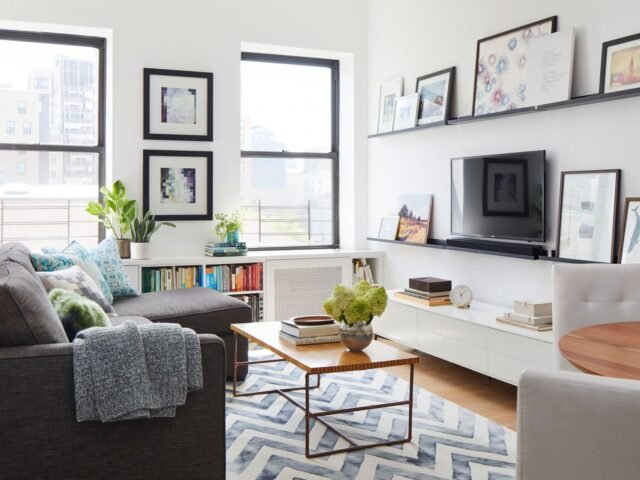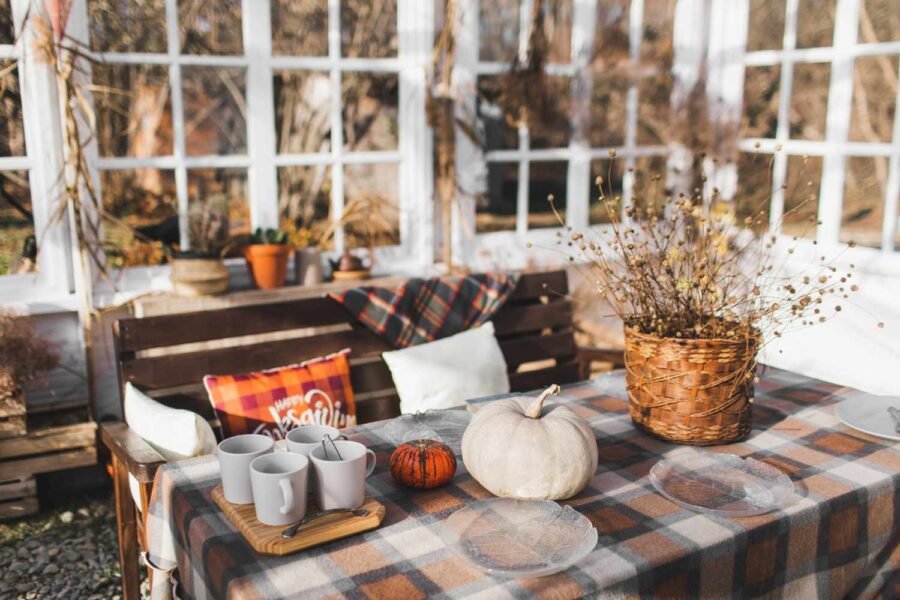
Ever walked into someone’s house in December and it just felt… warm? Not temperature-wise, necessarily — more like the whole space matched the mood outside. That’s not luck. That’s seasonal home decorating ideas done right, and honestly, most of us are sitting on the potential to do this in our own homes without realizing it.
You don’t need to buy new furniture every three months, and please don’t — that’s not what this is about. It’s about small, swappable touches: textiles, colors, a few accessories, maybe some lighting changes, that shift your space to match summer heat, monsoon grey skies, winter chill, or festival season energy. In India, our seasons hit hard and distinctly, so a home that flexes with them just feels more lived-in. Let’s break it down season by season.
Why Seasonal Decorating Actually Matters
Quick answer: Seasonal home decorating keeps a space feeling fresh and aligned with how you actually live through the year — lighter textiles and colors in summer, cozy layers in winter, and mold-conscious choices during monsoon — without requiring any permanent renovation or big spend.
A lot of people treat their home decor as a one-time setup — decorate once, move on, never touch it again except maybe during Diwali. I get why. It feels like a lot of effort for something that isn’t strictly necessary.
But here’s the thing — the same living room that feels cozy in December with heavy curtains and warm lighting can feel stifling in May with the AC struggling against 42°C heat outside. Swapping a few textiles takes an afternoon, costs relatively little, and genuinely changes how a space feels to live in day to day.
Summer Decorating: Keep It Light and Breezy
Summer in most of India means heat, humidity in some regions, and a general need for the house to feel cooler than it actually is, since AC bills add up fast.
Swap heavy curtains for lighter cotton or linen ones — they let in more airflow and just look less oppressive when it’s already 40°C outside. Light-colored bedsheets and cushion covers (whites, pale blues, soft yellows) reflect heat rather than absorb it, and honestly they photograph better too if that matters to you.
A few specific summer swaps worth doing:
- Replace heavy rugs with lighter cotton dhurries, which are cooler underfoot and easier to wash
- Add a few cane or rattan pieces — a side table, a chair — since they read as “cool” visually even before you sit down
- Bring in more plants; they genuinely do help with the indoor feel of a space during peak summer
- Switch out warm-toned throw pillows for breezier pastel or white covers
I’ve noticed people underestimate how much just changing bedsheets and curtains shifts a room’s whole feel. It’s such a small effort for how noticeable the difference is.
Monsoon Decorating: Cozy Without the Damp Problem
Quick answer: Monsoon decorating focuses on managing humidity and damp while still creating a cozy mood — think warm lighting, moisture-resistant materials, and good ventilation, since monsoon season in India brings both grey skies and real mold risk if you’re not careful with fabric and storage choices.
Monsoon is honestly the trickiest season to decorate for, because you want coziness for the grey, rainy days, but you also need to actively manage moisture, or you’ll end up with mold on cushions and damp smells in closets.
Warm lighting helps a lot here — string lights, table lamps, anything that adds a golden glow against grey daylight outside makes a real difference to mood. Candles too, if you like that vibe, though be careful with humidity and open flames near fabric.
On the practical side, this is the season to rotate out anything that traps moisture. Swap thick rugs for something that dries faster if your area gets a lot of rain. Keep silica gel packets in wardrobes. Air out cushions and throws on dry days when you get them. A friend of mine in Mumbai lost an entire velvet sofa cover to mold two monsoons in a row before switching to a more breathable fabric — lesson learned the expensive way.
Winter Decorating: Layer Up the Textures
Winter (however mild it is depending on where you live in India) is where seasonal home decorating gets to be the most fun, honestly. This is layering season.
Bring back the heavier curtains, add a thick rug back to the living room, pile on cushions in warmer tones — deep reds, mustard, forest green, rust. Throws over the sofa arm aren’t just decorative, they get used constantly once the temperature actually drops in December and January.
Lighting shifts warmer too in winter decor — think amber-toned bulbs instead of cool white, and maybe candles or diyas left out a bit longer after Diwali season if that’s your style. Some ideas that work well:
Related reading: Small Apartment Decorating Ideas on a Budget
- A chunky knit throw over the armchair — cheap, functional, and instantly cozier
- Warm-toned cushion covers, easy to find at local markets for ₹150-300 each
- A soft rug underfoot, especially in homes with tile or marble flooring that gets genuinely cold
- Layered lighting — string lights plus a warm lamp plus maybe candles, rather than one harsh overhead bulb
Festival Season Decorating: Diwali, Navratri, and Beyond
Festival decorating deserves its own category because, unlike the weather-driven seasons, this one’s about mood and celebration more than temperature.
Diwali decor leans into diyas, string lights, rangoli near the entrance, and marigold or fresh flower touches around the house. Navratri brings in more color — bold fabrics, bandhani prints, brass and metal accents. Even a simple torans on the door frame changes how a home feels the moment guests walk in.
The nice thing about festival decorating is it doesn’t need to be expensive to feel special. A few strings of lights, some fresh flowers changed every couple of days, and maybe new cushion covers in festive colors go a long way. Picture a family in Jaipur putting up simple string lights along the balcony railing and a small rangoli at the door — it transforms the whole entrance without spending more than a couple thousand rupees.
Budget-Friendly Ways to Shift Decor Seasonally
Quick answer: The cheapest way to do seasonal decorating is rotating what you already own instead of buying new — swap cushion covers, curtains, and rugs between seasons, store the unused set, and add just one or two fresh accents (flowers, lights, a throw) per season to keep costs low.
You genuinely don’t need a big budget for this. The trick is buying two sets of the swappable stuff — cushion covers, maybe a couple of throws, light versus heavy curtains — once, and just rotating them each season instead of buying new decor every few months.
- Keep a storage box specifically for off-season textiles so you’re not hunting for winter cushions in August
- Buy neutral base furniture (sofas, bed frames) so only the accessories need to change with the season
- Local markets and weekly bazaars usually have seasonal decor items far cheaper than big retail stores
- Fresh flowers, even just marigolds from a local vendor, cost very little and instantly shift a room’s mood
How Seasonal Decorating Differs Across Indian Regions
This one gets skipped a lot in generic decorating advice, but it matters — a “winter decorating” guide written for Delhi doesn’t map cleanly onto Chennai or Bengaluru.
North India gets genuinely cold winters, so heavy layering makes sense. Coastal cities barely get a “cold” season by comparison, so winter decorating there might just mean slightly warmer tones rather than actual thick blankets and rugs. Monsoon hits western coastal states like Maharashtra and Goa far harder than it hits, say, Rajasthan, so moisture management matters more in some regions than others.
If you live somewhere with mild seasonal shifts, don’t feel pressured to do a dramatic seasonal changeover just because a blog (including this one) suggests it. Adjust the intensity to match what your actual climate does, not what the calendar technically says.
[link to related guide about small apartment decorating ideas here]
Frequently Asked Questions
How often should I change my home decor for the seasons? There’s no fixed rule, but most people find swapping textiles (cushions, curtains, rugs) 3-4 times a year, roughly aligned with summer, monsoon, winter, and festival season, keeps things fresh without feeling like a chore.
What colors work best for winter home decor? Deep, warm tones like maroon, mustard, forest green, and rust tend to feel cozier in winter, paired with warmer amber lighting rather than cool white bulbs.
How do I decorate my home for monsoon without dealing with mold? Stick to breathable fabrics, keep silica gel packets in closets, air out cushions on dry days, and avoid heavy trapping materials like thick velvet in high-humidity rooms.
Is seasonal decorating expensive? It doesn’t have to be — rotating a small set of textiles you already own between seasons, rather than buying new decor constantly, keeps the cost low and is honestly the more sustainable approach anyway.
What’s a quick way to decorate for Diwali on a budget? String lights, a few diyas, fresh marigolds near the entrance, and a simple rangoli cover most of the visual impact for well under ₹2,000 total in most cities.
Do I need different decor for every single season, or can I skip some? You can absolutely skip seasons that don’t shift much in your region — someone in a coastal city with mild winters doesn’t need the same dramatic changeover as someone in Delhi or Shimla.
Final Thoughts
Seasonal home decorating really comes down to small, rotating changes rather than constant new purchases — textiles, lighting, and a few well-chosen accents do most of the work. Match the intensity to your actual climate, keep a storage system for off-season items, and let festivals add their own bursts of color when they come around.
If you haven’t touched your decor since you moved in, pick one season — maybe the one coming up next on the calendar — and just swap your cushion covers and curtains this weekend. See how much of a difference it makes before committing to anything bigger for 2026 and beyond.