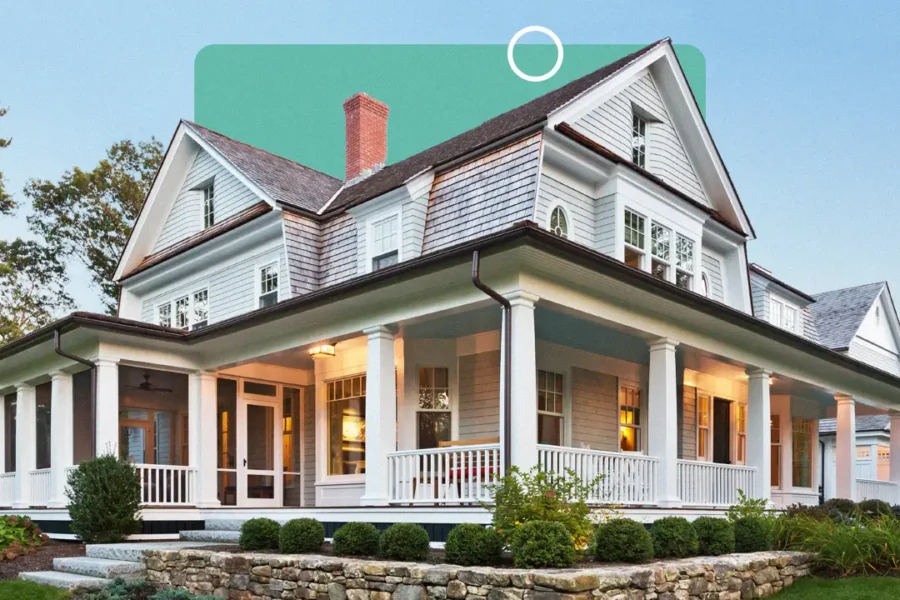
You’ve decided to sell. Now what? Most homeowners jump straight to fixing whatever’s been bothering them for years — that cracked tile, the leaky tap, the paint that’s gone dull. But not every fix actually moves the needle on price. If you want to genuinely increase home resale value, you need to know where buyers actually look, and where they simply don’t care. I’ve helped a couple of family members prep their flats for sale, and the pattern is always the same: people spend money on the wrong things and skip the ones that matter most.
This guide walks through what’s actually worth your time and budget in 2026, and what’s basically wasted effort. Some of it might surprise you.
Start With a Fresh Coat of Paint
Cheap. Fast. Effective. If there’s one universal way to increase home resale value, it’s this.
A fresh coat of neutral-toned paint does something psychological to buyers — it signals the home has been cared for, even if nothing structural has actually changed. Whites, soft greys, and warm beiges tend to perform best because they let buyers picture their own furniture in the space, rather than being distracted by a bold accent wall you happened to love.
Quick answer: Repainting your home in neutral tones before listing is one of the cheapest ways to increase home resale value, typically costing ₹15,000-₹40,000 for a standard 2-3 BHK flat while making the entire property feel newer and better maintained to buyers.
A few practical notes:
- Don’t skip ceilings — yellowed ceilings from old seepage stains are a red flag buyers notice immediately
- Touch up window grilles and main door paint too; first impressions start at the entrance, not the living room
- Avoid highly personal color choices, even if they look great to you — a maroon bedroom might be your favorite, but it’s someone else’s dealbreaker
Fix Kitchen and Bathroom Issues First
If you only have budget for two rooms, put it here. Kitchens and bathrooms influence buying decisions more than any other space in the house, and I don’t think that’s changing anytime soon.
You don’t need a full renovation. Replacing worn-out cabinet handles, fixing a wobbly tap, re-grouting cracked tile lines, and making sure the exhaust fan actually works — these small things add up. A kitchen that looks tired, even if it’s functionally fine, quietly lowers a buyer’s mental offer before they’ve even said a word.
Bathrooms deserve the same attention:
- Re-seal grout and caulk around the tub or shower area — cracked, black-stained grout looks far worse than it actually is structurally, but buyers don’t know that
- Fix any dripping taps or running cisterns immediately — these read as neglect, even when it’s a five-minute fix
- Replace old, yellowed toilet seats and worn mirrors; these are shockingly cheap upgrades that change the whole feel of the room
I’ll be honest, a lot of sellers over-invest here — full bathroom remodels rarely return their full cost at resale. Cosmetic fixes usually do the job.
Improve Curb Appeal — First Impressions Happen Outside
Buyers form an opinion before they even step through your door. Has this ever crossed your mind while house-hunting yourself? Probably.
For independent houses, this means a clean, trimmed front yard, a freshly painted gate, and a working doorbell — small things that somehow carry disproportionate weight. For apartments, it’s more about the entrance to your unit specifically: a clean doormat, a working nameplate, decent lighting in the hallway if that’s something you can influence.
Picture a small business owner in Jaipur selling a bungalow he’d lived in for 15 years. He spent almost nothing — just cleared out old plant pots cluttering the entrance, repainted the compound wall, and fixed a broken gate hinge. His broker later told him the very first buyer who visited commented on how “well-kept” the place looked before even stepping inside. That comment alone shaped the rest of the visit.
Address Structural and Maintenance Issues Honestly
This is the part people avoid, understandably. Nobody wants to spend money fixing something right before they’re about to leave. But ignoring structural issues almost always costs more later, either through a lower offer or a buyer walking away after their own inspection.
Seepage, cracks in walls, faulty electrical wiring, water pressure issues — these need addressing before listing, not after a buyer’s engineer flags them during due diligence. A ₹20,000 seepage fix now is a lot cheaper than a buyer knocking ₹2-3 lakh off their offer because they’re worried about hidden damage.
Common issues worth checking before you list:
- Ceiling or wall seepage, especially in bathrooms and near balconies
- Electrical panel condition — old, exposed wiring makes buyers (rightly) nervous
- Water tank and pipeline condition, particularly in older buildings
- Society maintenance dues — clear these before listing; unpaid dues can genuinely stall a sale at the registration stage
Declutter and Depersonalize the Space
I know this sounds like generic advice you’ve heard a hundred times. It’s repeated so often because it actually works, and most people still don’t do it properly.
The goal isn’t to make your home look empty — it’s to make it easier for a buyer to picture their own life there instead of yours. Family photos, personal collectibles, overflowing shelves — pack these away before your first viewing, not after three buyers have already walked through and formed an opinion.
Quick answer: Decluttering and depersonalizing your home costs nothing but time, yet it’s one of the most effective ways to increase home resale value perception, since buyers respond better to spaces that feel open and neutral rather than filled with someone else’s belongings.
Related reading: First-Time Home Buyer’s Guide: What You Need to Know
A cluttered flat also makes rooms look smaller than they actually are — and buyers genuinely misjudge square footage based on how full a room feels, even when they’re staring at the actual carpet area on paper.
[link to related guide about staging your home for quick sale here]
Upgrade Lighting and Fix Electrical Fixtures
Lighting changes how a space feels more than most sellers realize. A dim, yellow-lit room feels dated and small. The same room under brighter, warm-white LED lighting feels bigger and better maintained — without a single wall being touched.
Swap out old tube lights and flickering fixtures for simple LED panels. It’s a small spend, usually under ₹5,000-₹8,000 for an entire flat, and it noticeably changes how photos and in-person viewings come across.
Also check:
- Switchboards that are cracked, loose, or discolored — replace them, they’re cheap
- Doorbell and main entrance light — often overlooked, always noticed
- Balcony and utility area lighting, since buyers do check these spaces too
Consider Minor Kitchen and Storage Upgrades
Storage space sells homes. I’ve genuinely noticed this pattern across multiple properties — buyers ask about storage almost as often as they ask about the number of bedrooms.
If your kitchen has open, exposed shelving that looks dated, a basic laminate finish upgrade on cabinet fronts can transform the look without the cost of full modular kitchen replacement. Similarly, adding simple loft storage in bedrooms, if it doesn’t already exist, is a relatively low-cost addition that buyers notice and appreciate.
That said, don’t over-invest in a full modular kitchen right before selling. Buyers rarely pay back the full cost of a premium kitchen renovation, and tastes vary too much — the kitchen you love might not be what the next family wants at all.
Get a Pre-Sale Property Valuation and Inspection
Before you list, it’s worth spending a few thousand rupees on a professional valuation. This does two things: it gives you a realistic price anchor, and it flags issues you might not have noticed — the kind a buyer’s inspector definitely will.
Sellers who skip this step often either underprice out of uncertainty, or overprice based on emotional attachment, and then sit on the market for months wondering why nobody’s calling. Neither is a good outcome.
[link to related guide about getting your property valued correctly here]
FAQ
Q: What adds the most value when selling a home in India? Fresh paint, functional kitchens and bathrooms, and fixing visible maintenance issues tend to give the best return relative to cost. Full renovations rarely pay back their full investment at resale.
Q: Should I renovate the kitchen before selling my house? A full renovation usually isn’t worth it right before selling. Cosmetic fixes — new handles, re-grouting, working appliances — tend to give a better cost-to-value return than a complete modular kitchen overhaul.
Q: How much should I spend on home improvements before selling? As a rough guideline, many sellers spend 1-3% of the property’s estimated sale value on pre-sale improvements. Anything beyond that starts eating into your actual profit margin without proportional returns.
Q: Does home staging really help increase home resale value? Yes, especially for photos and first impressions during viewings. Staged, decluttered homes tend to sell faster and often closer to the asking price, since buyers can picture themselves in the space more easily.
Q: Is it worth fixing seepage or structural issues before listing? Almost always, yes. Structural issues discovered during a buyer’s own inspection tend to reduce offers by far more than the actual repair cost, and they can also slow down or kill a deal entirely.
Q: How long before selling should I start making these improvements? Ideally 6-8 weeks before listing, so paint and repairs have time to properly settle and you’re not rushing cosmetic work right before the first viewing.
Conclusion
You don’t need a full renovation to increase home resale value — you need to fix the right things, in the right order. Paint, kitchens, bathrooms, lighting, and honest maintenance repairs consistently give better returns than big-ticket upgrades buyers may not even want.
If you’re planning to list in the next couple of months, start with a walkthrough of your own home as if you were the buyer. Note down what catches your eye first, good or bad — that list is usually a pretty accurate starting point for where to spend your renovation budget.