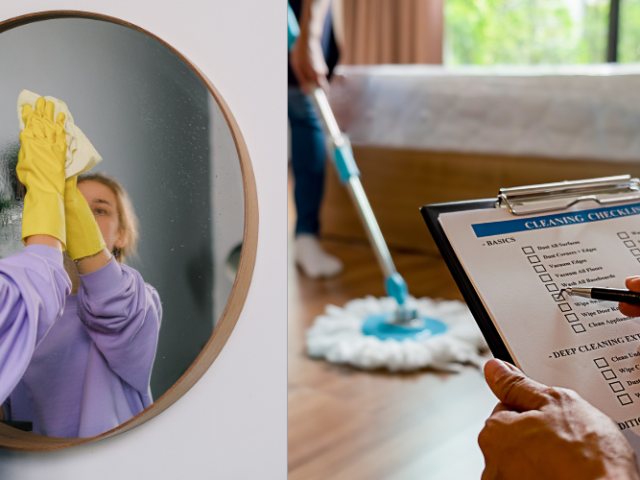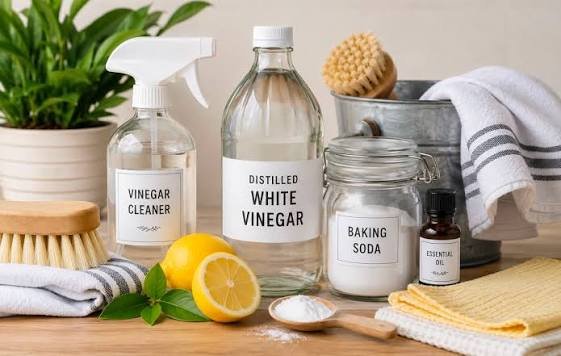
Tired of buying a different chemical spray for every single cleaning job — one for glass, one for the bathroom, one for grease? Here’s the thing: a lot of what you actually need is probably sitting in your kitchen right now. That’s the whole idea behind these natural cleaning tips — using basic, cheap ingredients that already do most of the heavy lifting.
I switched to mostly natural cleaning a few years back, partly for cost reasons, partly because I got tired of the sharp chemical smell lingering in the kitchen after using store-bought sprays. Not going to pretend everything natural works as fast as the commercial stuff — some jobs genuinely need a bit more elbow grease. But for most everyday cleaning, these methods hold up surprisingly well, and they cost a fraction of what you’d spend on branded cleaners. Let’s get into what actually works.
Why Natural Cleaning Tips Are Worth Trying in 2026
Direct answer: Natural cleaning tips using items like vinegar, baking soda, and lemon are worth trying because they’re cheaper, safer around kids and pets, and handle most common household cleaning jobs just as effectively as chemical alternatives — without the strong fumes.
Cost is the obvious one. A 500ml bottle of vinegar costs maybe ₹40-60 and lasts through dozens of cleaning sessions. Compare that to specialized glass cleaners, bathroom sprays, and degreasers that can add up to a couple thousand rupees a month if you’re buying a separate product for every task.
There’s also the fume factor. I’ve noticed a lot of commercial cleaners leave a sharp smell that lingers for hours, especially in smaller flats without much cross-ventilation. Natural alternatives skip that almost entirely — vinegar smells strong for a minute, then it’s gone.
Safety matters too, particularly if you’ve got small kids or pets around. Baking soda and vinegar are things you’d find in a kitchen anyway. Compare that to bleach or ammonia-based cleaners sitting under the sink where a curious toddler could get into them.
That said, I’ll be honest — natural cleaning isn’t a total replacement for everything. Disinfecting surfaces after illness, for instance, is a job where I’d still reach for a proper disinfectant rather than relying purely on natural options. It’s about knowing where natural methods genuinely hold up, and where they don’t.
Vinegar-Based Natural Cleaning Tips
White vinegar is probably the single most versatile item in this whole list — mildly acidic, which makes it great at cutting through grease, mineral deposits, and soap scum.
Here’s where it works best:
- Glass and mirrors: Mix equal parts vinegar and water in a spray bottle, wipe with a microfiber cloth or even old newspaper for a streak-free finish.
- Descaling kettles and showerheads: Soak or fill with a vinegar solution for 30-60 minutes — this cuts through the mineral buildup that’s common with hard water in a lot of Indian cities.
- Cutting boards and countertops: A vinegar-water wipe helps deodorize and lightly disinfect surfaces after food prep.
- Fabric softener alternative: Add a splash to your laundry rinse cycle — sounds odd, but it softens clothes without the vinegar smell surviving the wash.
One important safety note — never mix vinegar with bleach or ammonia-based cleaners. That combination produces toxic fumes, so keep vinegar cleaning completely separate from any chemical products you’re still using elsewhere in the house.
Picture a small business owner in Jaipur running a little café who switched her glass and counter cleaning to a vinegar-water spray — cut her monthly cleaning supply cost by nearly half, and customers actually commented that the place didn’t have that overpowering chemical smell anymore.
Baking Soda Natural Cleaning Tips
If vinegar is the acid in this duo, baking soda’s the mild abrasive — great for scrubbing without scratching most surfaces.
- Grout and tile scrubbing: Make a thick paste with a bit of water, apply with an old toothbrush, let sit 10-15 minutes before scrubbing. This is genuinely one of the best natural cleaning tips for bathroom grout that’s gone grey over time.
- Deodorizing the fridge: An open box of baking soda absorbs odors for weeks — replace every month or two for best results.
- Scrubbing burnt pots and pans: Sprinkle generously, add a splash of hot water, let sit for 20 minutes, then scrub. Cuts through stubborn burnt-on residue far better than most people expect.
- Carpet deodorizing: Sprinkle lightly, let sit for 15-20 minutes, vacuum thoroughly. Works well before guests arrive if there’s a lingering pet or cooking smell.
- Drain freshening: Combined with vinegar (the classic fizzy reaction), followed by hot water, helps clear minor buildup and odor in kitchen and bathroom drains.
Has your kitchen sponge ever started smelling a bit off no matter how much you rinse it? Soaking it in a baking soda solution overnight usually sorts that out completely.
Lemon-Based Natural Cleaning Tips
Lemon brings both acidity (similar to vinegar) and a genuinely pleasant natural scent, which makes it a favorite for kitchen-specific cleaning tasks.
Related reading: Deep Cleaning Checklist: A Room-by-Room Guide That Actually Works
- Microwave cleaning: A bowl of water with lemon slices, microwaved for 3 minutes, loosens stuck-on food splatters that then wipe away easily.
- Cutting board deodorizing: Rub a cut lemon directly on wooden or plastic boards, especially after cutting onion or garlic.
- Brass and copper cleaning: A mix of lemon juice and salt, rubbed gently, restores shine to tarnished brass items — common in a lot of Indian homes with pooja items or decorative pieces.
- Garbage disposal freshening: Lemon peels tossed in occasionally help with lingering odors, if you’ve got a disposal unit.
I’ll admit lemon is my personal favorite of the three, mostly because of the smell it leaves behind — genuinely pleasant compared to the sharper vinegar scent, even though vinegar’s arguably more versatile overall.
Salt and Other Pantry-Based Natural Cleaning Tips
Beyond the big three, a few other kitchen staples pull real weight for specific cleaning jobs.
- Salt works as a mild abrasive for cast iron pans — never use soap on cast iron, but coarse salt with a bit of oil scrubs off residue without stripping the seasoning.
- Rice (uncooked) shaken inside a narrow-necked bottle or vase with a bit of water and dish soap dislodges grime from hard-to-reach spots.
- Cornstarch works surprisingly well on glass and mirrors too, similar to vinegar but with a slightly different finish.
- Olive or coconut oil mixed with a bit of lemon juice makes a decent natural wood polish for furniture.
- Used tea bags (cooled) can wipe down wooden furniture, adding a subtle shine — an old trick, but it genuinely works.
[link to related guide about deep cleaning checklist room-by-room here]
Natural Cleaning Tips for Common Household Odors
Odors are one area where natural methods genuinely outperform a lot of commercial sprays, which often just mask smells temporarily instead of actually neutralizing them.
Direct answer: Natural cleaning tips for odor control focus on absorption rather than masking — baking soda, activated charcoal, and proper ventilation neutralize smells at the source, unlike many commercial air fresheners that simply cover odors temporarily.
- Keep an open container of baking soda in shoe cabinets and gym bags — absorbs odor far better than spray deodorizers.
- Activated charcoal pouches work well in wardrobes, particularly during monsoon when musty smells are common.
- Simmer a small pot of water with cinnamon sticks or citrus peels on the stove for natural, non-chemical air freshening — takes maybe ten minutes and the whole house benefits.
- Ventilate bathrooms properly after use rather than relying purely on sprays to mask the humidity smell.
What Natural Cleaning Methods Aren’t Great For
Being upfront here — natural cleaning has real limits, and pretending otherwise does readers a disservice.
- Heavy-duty disinfection after illness in the household — proper disinfectants are more reliable here.
- Tough grease buildup on things like an exhaust fan filter that’s gone months without cleaning — sometimes a stronger degreaser genuinely works faster.
- Mold that’s already established in grout or fabric — natural methods can help prevent it, but established mold often needs a more targeted treatment.
- Stainless steel appliances with specific manufacturer cleaning guidance — check before using vinegar or acidic solutions, as some finishes react differently.
I’d rather be honest about this than oversell natural cleaning as some universal fix — it’s excellent for 80% of regular household cleaning, but knowing when to reach for something stronger saves time and frustration.
FAQ: Natural Cleaning Tips People Search For
Is vinegar safe to use on all surfaces? No, not quite all. Avoid it on natural stone like marble or granite, since the acidity can etch the surface over time. It’s great on glass, most tile, and general kitchen surfaces though.
How do I make a natural all-purpose cleaner at home? A simple mix of equal parts white vinegar and water, with a few drops of lemon essential oil if you want a nicer scent, covers most general surface cleaning around the house.
Are natural cleaning products as effective as chemical ones? For everyday cleaning, yes, largely. For heavy disinfection or tough, aged grease buildup, chemical products often work faster — natural methods usually need a bit more time or repeated application.
Can I mix vinegar and baking soda together for cleaning? Yes, and the fizzy reaction is actually useful for clearing minor drain clogs or loosening grime, though the fizzing also means the acidic and mild-alkaline properties partially neutralize each other, so use them together mainly for the physical scrubbing action, not as a super-concentrated cleaner.
What natural ingredient works best for removing kitchen grease? Baking soda paste, combined with hot water, handles most everyday grease well. For genuinely stubborn, months-old buildup, a vinegar soak first followed by baking soda scrubbing tends to work best.
Is it cheaper to switch to natural cleaning long-term? Generally yes, noticeably so. A household spending ₹1,500-2,000 monthly on various specialized cleaners can often cut that by half or more relying primarily on vinegar, baking soda, and lemon for regular cleaning tasks.
Conclusion
Switching to natural cleaning tips isn’t about giving up effective cleaning — it’s about realizing how much of it you can handle with three or four cheap, safe ingredients already sitting in your kitchen. Vinegar and baking soda alone cover most everyday jobs, lemon adds a pleasant scent and extra cutting power, and you’ll notice the difference in both your cleaning budget and the air quality in your home.
Try just one swap this week — maybe replace your glass cleaner with a vinegar-water spray — and see how it holds up before switching everything else over. Small changes like that tend to stick a lot better than an overnight overhaul.