Been putting off getting a security system because you’re not sure it’s “worth it” for a rented flat? You’re not alone — that’s probably the single most common hesitation I hear from people. The truth is, the best home security system for a homeowner and the best one for a renter can look completely different, and treating them the same is where most people go wrong.
I rented for almost six years before buying my own place, and the security setup I used in each situation was nothing alike. As a renter, drilling holes into walls for a wired system just wasn’t an option — landlords tend to have opinions about that. As a homeowner, I went a completely different route because, well, permanence changes the math. This guide breaks down what actually makes sense for each situation, without the generic “just install cameras everywhere” advice you see on most sites.
Why Renters and Homeowners Need Different Security Approaches
Direct answer: Renters need portable, non-invasive security solutions that don’t damage walls or require permanent wiring, since these need to move with them. Homeowners can invest in permanent, integrated systems since the setup adds long-term value to a property they actually own.
This distinction matters more than people give it credit for. A rented flat comes with restrictions — most rental agreements explicitly prohibit drilling, permanent wiring changes, or anything that alters the property structure. Break that clause and you risk your security deposit, sometimes the whole lease.
Homeowners don’t have that constraint. If you own the place, you can wire in a full alarm system, install hardwired cameras, even get smart locks integrated into the main door — no landlord to answer to.
There’s also the resale/reuse angle. A renter’s security gear needs to pack up and move with them to the next flat. A homeowner’s system is basically a one-time investment that stays put and, honestly, can even bump up the property’s resale appeal a little.
Budget expectations differ too, and this surprises people. Renters often assume security has to be expensive, but a decent battery-powered camera setup can run under ₹5,000. Homeowners investing in a full integrated system — cameras, sensors, smart locks, a central hub — might spend ₹25,000-60,000, sometimes more for larger homes.
Best Home Security System Options for Renters
Picture a young professional renting a 1BHK in Jaipur, moving flats every year or two as leases end. Drilling into walls, running wires through the ceiling — none of that’s practical when you know you’ll be packing up in twelve months.
Here’s what actually works in that situation:
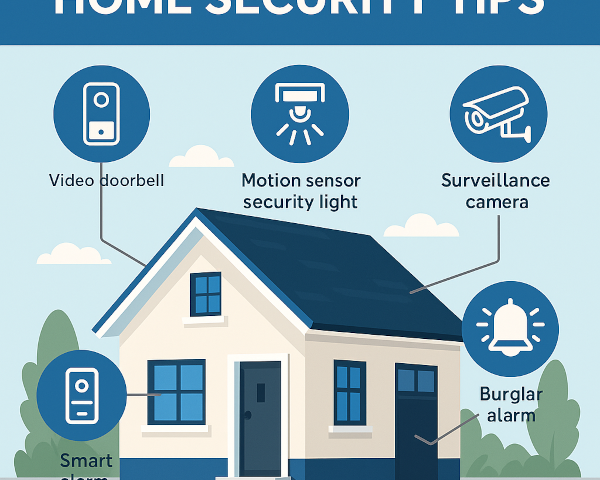
- Wireless, battery-powered cameras with adhesive or clamp mounts — no drilling required, and you can peel them off and take them to your next place.
- Video doorbells that use existing doorbell wiring or run entirely on battery — great for seeing who’s at the door without a landlord ever knowing you installed anything.
- Portable door/window sensors that stick on with adhesive strips and alert your phone if someone opens them while you’re out.
- Smart plugs connected to lights — sounds basic, but a light that turns on automatically when you’re away is still one of the cheapest deterrents around.
- Standalone motion-sensor alarms — the kind you place near an entry point, no subscription needed, just a loud alert if triggered.
I’ll be honest, I’m not a big fan of renters signing up for long-term monitoring contracts. If you’re moving in a year, a 24-month monitoring plan just doesn’t make sense — you’ll either eat the cancellation fee or end up paying for a service protecting an empty flat. Go with pay-as-you-go or no-subscription options instead; there are plenty now that don’t lock you in.
Best Home Security System Options for Homeowners
Owning your place changes the calculation completely — you’re not optimizing for portability anymore, you’re optimizing for coverage and long-term reliability.
A full homeowner setup typically includes:
- Hardwired or PoE cameras at entry points — more reliable than battery-powered ones since you’re not managing charge cycles for years.
- Smart door locks integrated with the main entrance — convenient, and genuinely useful if you’ve got domestic help or family members coming and going at different hours.
- A central alarm panel connected to door and window sensors throughout the house, not just the front door.
- Professional monitoring (optional, but worth considering for larger homes or if you travel frequently) — someone’s watching even when you’re not checking the app.
- Driveway or gate sensors for independent houses with outdoor space — apartments obviously don’t need this one.
Here’s where I’ll push back a little against what a lot of guides recommend — you don’t need every single feature on day one. I’ve noticed homeowners get talked into elaborate, expensive systems by installers eager to upsell, when honestly, cameras at the main entry points plus door sensors cover 80% of the actual risk for most homes.
[link to related guide about smart home devices worth the investment here]
Cost-wise, expect anywhere from ₹15,000 for a basic multi-camera setup to ₹80,000+ for a fully integrated system with professional installation and monitoring across a larger independent house.
DIY vs Professionally Installed Systems
This is where renters and homeowners often land on opposite answers, and for good reason.
For renters, DIY is almost always the better call. Wireless systems designed for self-installation take maybe 30-60 minutes to set up, no technician visit needed, and you can uninstall just as fast when your lease ends.
For homeowners, professional installation starts making more sense once the system gets complex — multiple hardwired cameras, an integrated alarm panel, smart locks tied into a central hub. Getting a professional to handle the wiring and configuration properly, especially the initial setup, tends to save headaches later. I tried DIY-wiring a camera near my main gate once and messed up the cable routing so badly I had to call someone anyway — would’ve saved time just booking the installer from the start.
That said, a lot of “professional installation” packages now are really just self-monitored systems with a one-time setup visit — not full-blown 24/7 monitored security. Worth asking directly what you’re actually paying for before signing up.
Monthly Costs and Subscription Traps to Watch For
A lot of security companies make their real money on the monthly subscription, not the hardware. Worth knowing upfront.
Direct answer: Most home security system subscriptions in India range from ₹200-800 per month for basic cloud storage and app alerts, up to ₹1,500-2,500 for professional monitoring with rapid response. Renters especially should avoid long lock-in contracts tied to a specific address.
A few things to watch for:
- Cloud storage subscriptions — some brands lock recorded footage behind a paywall, meaning your camera works, but you can’t actually review past footage without paying monthly.
- Long-term contracts with early termination fees — brutal for renters who might relocate before the contract ends.
- Bundled “smart home” subscriptions that tie your security system to unrelated services you didn’t ask for.
- Hardware that becomes basically useless without an active subscription — always check this before buying, some brands are worse offenders than others.
My honest take? Local SD card storage plus free basic app alerts covers what most households actually need. Professional monitoring makes sense if you travel a lot or live alone in an area with higher break-in rates — otherwise it’s often paying for peace of mind you could get for free with a decent alarm and attentive neighbors.
Choosing Based on Your Living Situation
Not every renter is the same, and not every homeowner needs the same setup either — living situation matters more than the renter/owner label alone.
- Studio or 1BHK renters: A single wireless camera covering the main entrance plus a video doorbell usually covers it. Don’t overspend on multi-camera setups for a small space.
- Shared flats/PGs: Motion sensors and a doorbell camera work well here, though check with flatmates first — nobody likes finding out there’s a camera pointing at common areas without a conversation first.
- Independent houses (owned): Full perimeter coverage matters more — gate, main door, back entrance, and possibly a driveway sensor if there’s outdoor parking.
- Apartments (owned): Focus spend on the main door and any balcony access points; building security usually covers the rest.
Has anyone ever asked you why you “even need” a security system in a “safe” neighborhood? I get that a lot. My answer’s always the same — most break-ins aren’t in unsafe areas, they’re in homes that looked unmonitored. That’s really the whole value proposition.
FAQ: Best Home Security System Questions People Ask
What’s the best home security system for a rented apartment in 2026? Wireless, battery-powered cameras and video doorbells that don’t require drilling are the top choice for renters in 2026. They’re portable, easy to set up without landlord permission, and move with you when your lease ends.
Do I need professional monitoring for my home security system? Not necessarily. Most households do fine with app alerts and local storage. Professional monitoring makes more sense if you travel often, live alone, or your area has had recent break-in reports nearby.
Can I install a home security system without drilling into walls? Yes — adhesive mounts, magnetic sensors, and battery-powered cameras are specifically designed for no-drill installation, which makes them ideal for rented spaces.
How much does a good home security system cost in India? Basic renter-friendly setups start around ₹3,000-5,000. Homeowner systems with multiple cameras, sensors, and smart locks typically run ₹25,000-60,000, with full professional installation pushing that higher for larger homes.
Is a video doorbell enough security on its own? For a small rented flat, it covers a lot of the risk on its own. For a larger home or independent house, it’s a good starting point but shouldn’t be your only layer of protection.
What should I avoid when buying a home security system as a renter? Avoid long-term monitoring contracts, anything requiring permanent wiring or drilling, and hardware that stops working entirely without an active paid subscription — all three tend to cause problems specifically for renters.
Conclusion
There isn’t one universal best home security system — there’s the right one for your actual situation. Renters need portable, no-drill, subscription-light setups that pack up when the lease does. Homeowners can invest in permanent, integrated systems that add real long-term value to a property they’re not leaving anytime soon.
If you’ve been putting this off because you weren’t sure where to even start, start small — one camera at your main entry point, this week, not next month. You can always add sensors or coverage later, but that first layer of visibility is the one that actually matters most.