Ever had a ceiling fan suddenly start wobbling right in the middle of a May heatwave? Or noticed a damp patch on the wall only after the first good monsoon downpour? Most of us don’t think about home upkeep until something breaks — and by then, it usually costs more to fix. That’s really the whole point of a home maintenance checklist: it turns those “oh no” moments into quick, cheap fixes you handle before they become emergencies.
I’ve lived in three different homes over the last decade, and the one lesson that stuck with me is this — a house doesn’t fail all at once. It fails one ignored gutter, one skipped filter change, one “I’ll get to it later” at a time. This guide breaks the year into four seasons and gives you an honest, no-nonsense home maintenance checklist for each one, with a bit of an Indian context thrown in since our summers and monsoons hit differently than what most generic blogs assume.
Why a Seasonal Home Maintenance Checklist Actually Matters
Home maintenance checklist planning isn’t about being obsessive — it’s about timing. Fixing a leaky roof in October is a two-hour job. Fixing it in August, after three weeks of monsoon rain has soaked through the ceiling, is a very different — and pricier — story.
Think about it this way: your house is basically a machine with a lot of moving, aging parts. Pipes expand and contract with temperature. Paint cracks under UV exposure. Wood swells with humidity. None of this happens randomly — it follows the seasons, pretty predictably actually. So doesn’t it make more sense to work with that pattern instead of against it?
I’ll be honest, I used to think seasonal maintenance was something only obsessive homeowners did — the kind of person with a laminated chart on the fridge. Then I skipped cleaning my AC filters for one whole summer and watched my electricity bill jump by nearly 30%. Lesson learned the expensive way.
A good home maintenance checklist also protects resale value. Buyers (and their inspectors) notice things like water stains, cracked caulking, or a rusted geyser. Small, regular fixes keep your home looking cared-for, which matters a lot more than people realize when it’s time to sell.
Spring Home Maintenance Checklist: Waking the House Up
Spring in most of India is short — barely a few weeks between the last winter chill and the first real heat. But it’s a genuinely useful window for maintenance because the weather’s mild enough to work outdoors comfortably, and you’re prepping the house before summer really tests it.
Here’s what deserves your attention:
- Inspect the roof and terrace for cracks, loose tiles, or waterproofing that’s worn thin — do this before the pre-monsoon heat bakes any small cracks wider.
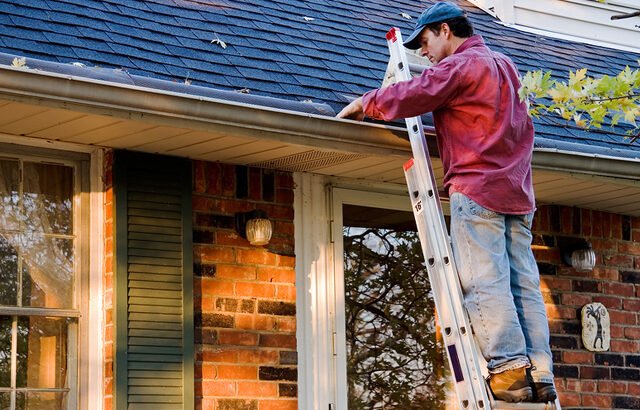
- Clean out gutters, downspouts, and terrace drains. Leaves and dust build up over winter and nobody notices until water starts pooling.
- Service your air conditioners now, not in April when every AC technician in the city is booked solid. I learned this one the hard way — waited three weeks for a technician once.
- Check window and door seals; a drafty window in winter is annoying, but in summer it just lets your cooled air straight back outside.
- Repaint or touch up any peeling exterior paint. It’s cheaper insurance against monsoon dampness than you’d think.
- Test smoke detectors and replace batteries — an easy five-minute job most people forget for years.
Picture a small business owner running a shop out of her ground-floor home in Jaipur. Every March, she gets her AC serviced and terrace waterproofing checked before the summer rush — because a broken cooler during peak footfall season means lost customers, not just discomfort. That’s the kind of practical thinking a seasonal checklist encourages.
Summer Home Maintenance Checklist: Beating the Heat
Summer maintenance in India is really about two things: keeping the house cool and keeping the water systems running, since this is peak usage season for both.
Direct answer: A summer home maintenance checklist should focus on servicing cooling appliances, checking water tanks and pipes for leaks, inspecting the roof for heat cracks, and testing backup power — since summer puts the heaviest strain on a home’s electrical and water systems.
Your priority list for summer:
- Clean or replace AC and cooler filters monthly — dust accumulates fast, and a clogged filter can spike your power bill by 20-25%.
- Inspect overhead water tanks for algae buildup or cracks; hot weather accelerates both.
- Check exposed electrical wiring and extension cords, especially if you’re running multiple fans and coolers on one circuit.
- Look at exterior walls and terraces for heat-related cracking — these often turn into monsoon leak points if ignored.
- Trim trees and shrubs away from windows and the roofline; dry summer branches are a fire risk near AC compressors.
- Test your inverter or backup power setup before load-shedding season kicks in properly.
One thing I disagree with a lot of generic maintenance guides on — they tell you to “deep clean” everything in summer. Honestly? Save the deep cleaning for a cooler month. Summer’s better spent on functional checks: does the AC work, does the water tank leak, is the wiring safe. Cosmetic stuff can wait.
Monsoon and Fall Home Maintenance Checklist: Damage Control Season
This is arguably the most important season on the entire home maintenance checklist, and the one people neglect most. Monsoon (and the fall that follows) is when unresolved spring and summer issues turn into actual damage.
- Re-check waterproofing on the terrace and any exposed walls — if you skipped this in spring, do it now before the rains start, not after.
- Clear gutters and drains again; a single monsoon storm can undo months of dry-season neglect in one afternoon.
- Inspect window frames and door thresholds for water seepage. A damp smell in a room is usually your first warning sign — don’t ignore it.
- Check your home’s exterior for fungal growth or paint bubbling, especially on north-facing walls that dry slower.
- Service pumps and check that stormwater drainage around the house isn’t blocked by debris.
- Once the rains ease off in October-November, do a full exterior paint touch-up — this is genuinely the best window for it, since humidity’s dropped but it’s not yet cold enough to slow drying.
Has your ceiling ever developed a mysterious brown patch after the first heavy rain? That’s almost always a roof or terrace issue that existed long before the rain exposed it. Fall is your chance to fix it properly before winter makes outdoor repair work miserable.
Winter Home Maintenance Checklist: Sealing Up and Slowing Down
Direct answer: Winter home maintenance should prioritize checking heating systems, sealing drafts around doors and windows, inspecting geysers and water heaters, and doing indoor deep-cleaning tasks that are uncomfortable to tackle in hot weather.
Winter is milder here than in most of the world, but it’s still the season for indoor-focused work:
Related reading: Home Maintenance Tips: The Costly Mistakes Nobody Warns You About
- Service your geyser or water heater — this is the appliance most people only think about the first cold morning it fails on them.
- Check for drafts around doors and windows; a rolled towel at the base of a door is a temporary fix, proper weatherstripping is the real one.
- Deep clean chimneys, exhaust fans, and kitchen ducts — dust from the whole year tends to settle here.
- Inspect and clean carpets, curtains, and upholstery while windows can stay closed without the room turning into an oven.
- Check for pest entry points; rodents and insects look for warm indoor spots as it cools down.
- Get your car and any outdoor furniture covered or stored if you’re in a region that gets foggy or dewy mornings — moisture damage sneaks up on you.
Winter’s honestly my favorite maintenance season. Nothing’s urgent, the weather cooperates, and you can actually enjoy doing repairs instead of racing against heat or rain.
Year-Round Home Maintenance Tasks You Shouldn’t Skip
Some items don’t fit neatly into one season — they need attention every few months regardless of what’s happening outside.
- Pest control treatments, roughly every 3-4 months depending on your area.
- Fire extinguisher checks and expiry dates — most people install one and never look at it again.
- Plumbing checks under sinks for slow leaks; a small drip can waste over 3,000 litres of water a year without you noticing.
- Electrical panel inspection annually, ideally by a licensed electrician.
[link to related guide about DIY plumbing fixes here]
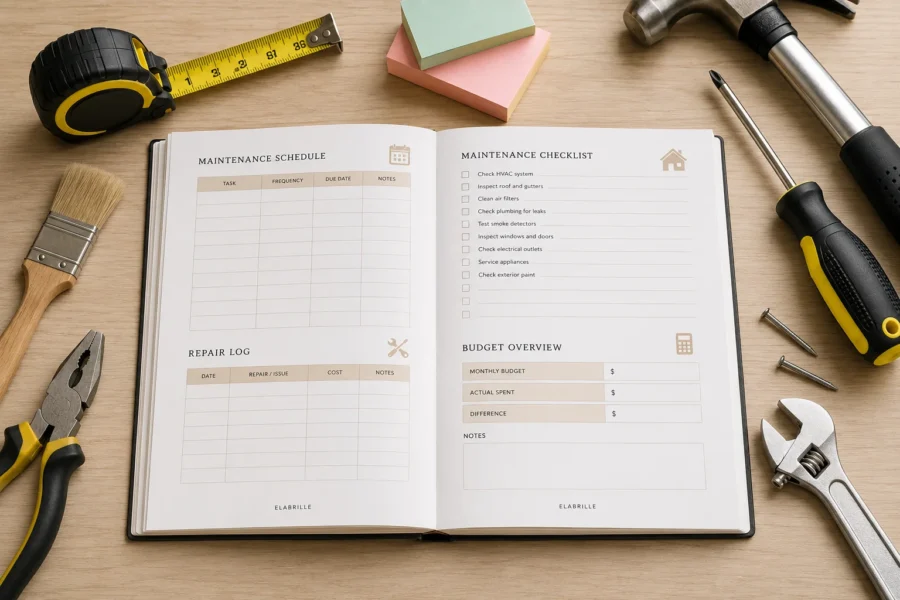
Keeping a simple spreadsheet or even a notes app reminder for these year-round tasks makes a bigger difference than most people expect. It’s not glamorous work, but it’s the stuff that prevents the 2 AM emergency calls to a plumber.
Budgeting for Seasonal Home Maintenance in 2026
Here’s something most checklists conveniently skip — the money side. A rough rule of thumb that contractors often mention: budget around 1-2% of your home’s current value annually for maintenance and minor repairs.
For a home valued at ₹50 lakh, that’s roughly ₹50,000-1,00,000 a year, spread across seasons. It sounds like a lot until you compare it to the cost of a single major repair — a full roof waterproofing redo can easily run ₹80,000 or more, while catching a small crack early might cost ₹3,000-5,000.
In 2026, with material and labour costs still climbing steadily, that gap between “small fix now” and “big fix later” is only getting wider. I’ve started setting aside a fixed amount each month specifically for home upkeep, separate from my regular budget — it removes the sting of unexpected repair costs because, well, they’re not really unexpected anymore.
Building Your Own Home Maintenance Checklist Template
A generic checklist is a starting point, not gospel. Every home is different — older homes need more frequent structural checks, apartments need less roof attention but more society-level coordination, independent houses need full exterior upkeep.
Start with these four questions for your own home maintenance checklist:
- What broke or needed repair last year? Add it to next year’s checklist a season earlier.
- Which appliances are older than 7-8 years? They need more frequent inspection, not less.
- Does your area flood, get extreme heat, or have heavy pest activity? Weight your checklist toward those risks.
- Who’s your go-to contact for plumbing, electrical, and pest control? Save their numbers before you need them urgently, not during the emergency.
[link to related guide about choosing a reliable home contractor here]
FAQ: Home Maintenance Checklist Questions People Actually Ask
How often should I do a full home maintenance check? Realistically, once every season — so four times a year — covers most things. But quick checks (filters, leaks, smoke detectors) are worth doing monthly, they take ten minutes and catch problems early.
What’s the most commonly neglected home maintenance task? Gutter and drain cleaning, by far. It’s not visible from inside the house, so it’s easy to forget, and that’s exactly why it causes the most water damage when ignored.
Is professional home maintenance worth the cost, or can I DIY most of it? A lot of it — filter cleaning, seal checks, basic inspections — you can absolutely DIY. But anything involving electrical wiring, gas connections, or structural cracks is worth paying a professional for. It’s not the place to save money.
How much should I budget for annual home maintenance? A common guideline is 1-2% of your home’s value per year, though older homes or ones in extreme climates might need closer to 2-3%.
What should be on a monsoon-specific maintenance checklist in India? Focus on waterproofing, drainage, and seepage checks before the rains hit — not after. Also worth inspecting electrical points near windows and balconies, since water and wiring are a dangerous combination.
Can skipping seasonal maintenance actually affect my home’s resale value? Yes, more than people expect. Visible neglect — water stains, cracked paint, rusted fittings — makes buyers assume there are bigger hidden problems too, even if there aren’t. It affects negotiating power more than the actual repair cost would.
Wrapping It Up
A home maintenance checklist isn’t about turning into someone who obsesses over their house — it’s about not getting blindsided by problems that were, honestly, pretty predictable. Spring’s for prepping, summer’s for cooling and water systems, monsoon and fall are for damage control, and winter’s for the indoor stuff you’d rather not do in the heat.
Pick one season, start there, and build the habit gradually — you don’t need to overhaul everything this month. Maybe start this weekend with something small: check your gutters, or test your smoke detector. Small, regular effort beats the occasional big scramble every single time.