Building a new house or replacing an old roof, and suddenly every contractor is pushing a different material? That’s pretty normal, honestly — and it’s confusing precisely because there isn’t one universal “best” answer. Finding the best roofing materials for your specific home depends on your budget, your region’s climate, and how long you actually plan to stay in the house. A flat-roofed apartment in Mumbai has very different needs than an independent bungalow in Jaipur dealing with brutal summer heat.
I’ve gone through this decision myself for a family property, and spent way too many weekends comparing quotes and materials before landing on something. Let me save you some of that research.
RCC (Reinforced Cement Concrete) Flat Roofs
This is still the default choice for most urban Indian homes, and for good reason. RCC roofs are strong, long-lasting, and give you a usable flat surface on top — handy for water tanks, solar panels, or just drying pickles in the sun, depending on your household.
Quick answer: RCC flat roofs remain among the best roofing materials for Indian apartments and independent homes, offering 25-30+ years of lifespan with proper waterproofing, though they require regular maintenance to prevent seepage and cracking over time.
A few honest pros and cons:
- Excellent structural strength, handles heavy loads well, including additional floors later
- Needs proper waterproofing treatment every 5-7 years — skip this and seepage becomes almost guaranteed
- Absorbs and radiates heat more than other materials, which is worth knowing if you’re in a hot climate and haven’t budgeted for extra cooling or insulation
- Construction cost typically runs ₹500-₹800 per sq ft depending on region and quality, though this varies with local labor and material rates
I’ll be honest — I’m not a huge fan of RCC roofs in peak summer regions like Rajasthan unless there’s proper insulation added. The heat gain indoors is real, and a lot of builders don’t mention this until you’re already living with it.
Clay Tile Roofing
There’s something genuinely appealing about clay tiles, beyond just the traditional look. They handle heat far better than concrete, which matters a lot in India’s hotter states.
Clay tiles work by creating an air gap between the tile and the roof deck, which naturally reduces heat transfer into the house. If you’ve ever walked into an old haveli in Rajasthan on a scorching afternoon and wondered why it felt noticeably cooler, the roofing material is often part of that answer.
Things to weigh before choosing clay tiles:
- Lifespan of 15-20 years typically, sometimes longer with good maintenance
- More fragile than concrete or metal — hailstorms or careless foot traffic can crack tiles
- Higher labor cost for installation since it’s more skilled, time-intensive work compared to a flat pour
- Not ideal for flat-roof designs; works best with sloped roof architecture, which limits usable rooftop space
Cost-wise, expect somewhere around ₹150-₹300 per sq ft for tiles alone, plus installation labor — though this varies a fair bit by region and tile quality.
Metal Sheet Roofing (GI and Colour-Coated Sheets)
Metal roofing has picked up a lot of popularity for warehouses, farmhouses, and increasingly, residential extensions. It’s fast to install, relatively affordable, and handles heavy rain exceptionally well — water just runs right off.
Picture a small business owner in Jaipur adding a storage shed behind his shop. He went with galvanized iron sheets purely because of installation speed — the whole roof was up in about three days, versus weeks for a concrete alternative. For a purely functional structure like that, it made complete sense.
For residential use, though, I’d add a caveat: plain metal sheets without proper insulation get loud during rain and hot during summer afternoons. Colour-coated or insulated sheets solve both problems, but at a noticeably higher cost than basic GI sheets.
- Basic GI sheets: roughly ₹80-₹150 per sq ft, most budget-friendly option
- Insulated or PUF (polyurethane foam) sheets: ₹250-₹450 per sq ft, better temperature and noise control
- Lifespan: 20-30 years with proper rust-resistant coating and occasional maintenance
Asphalt Shingles
Less traditional in India, but increasingly used in newer bungalow and villa construction, especially in hill stations and gated communities going for a Western aesthetic.
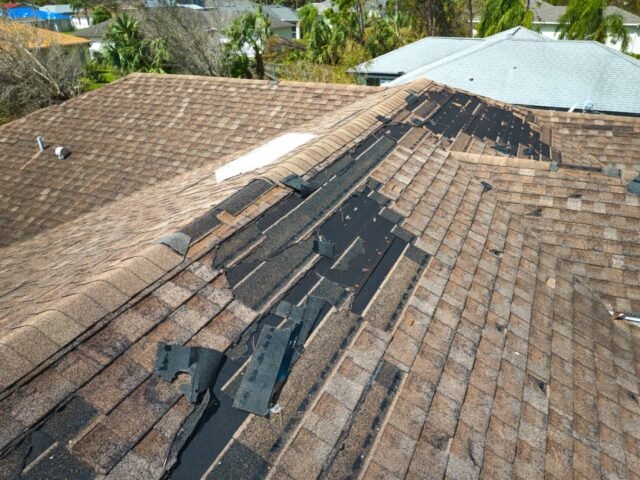
Shingles are lightweight, relatively easy to install, and come in a wide range of colors and textures. They’re not typically the best roofing materials choice for extreme heat regions, though, since they can soften and degrade faster under intense, prolonged sun exposure compared to clay or metal.
Quick answer: Asphalt shingles work well for sloped residential roofs in moderate climates, offering 15-20 years of life and a wide design range, but they’re generally not recommended for regions with extreme summer heat, where they degrade faster than tile or metal alternatives.
Expect costs around ₹200-₹350 per sq ft installed, depending on shingle grade and design complexity.
Solar Roof Tiles and Solar-Integrated Options
Worth mentioning here even though it’s a newer category — solar tiles and solar-panel-integrated roofing have become genuinely viable options in the last few years, not just a novelty for early adopters anymore.
Related reading: Signs Your Roof Needs Repair or Replacement
These combine standard roofing function with energy generation, which sounds great on paper, and often is, but the upfront cost is significantly higher than traditional materials. It makes more financial sense if you’re building new rather than retrofitting an existing roof, and if you’re planning to stay in the home long enough to recover the investment through lower electricity bills.
This isn’t a fit for every budget, and I wouldn’t recommend it as a first roofing decision for someone building on a tight budget. It’s more of an upgrade layer once the core roofing decision is settled.
[link to related guide about solar panel installation costs and savings here]
Fiber Cement and Polycarbonate Sheets
Common for porches, car parking sheds, and semi-covered outdoor areas rather than full residential roofing, though they do show up in budget housing too.
Fiber cement sheets are affordable and reasonably durable, but they’re not usually the top pick for a main residential roof — they work better as a secondary, functional covering. Polycarbonate sheets, meanwhile, are popular where natural light matters, like covered balconies or courtyard roofing, since they let light through while still blocking rain.
Neither of these tends to compete directly with RCC, tile, or metal for a primary house roof, but they’re worth knowing about for smaller structures around the property.
[link to related guide about choosing roofing for outdoor spaces here]
How Climate Should Shape Your Roofing Material Choice
This is probably the single most important factor, more than budget even, since the wrong material in the wrong climate ends up costing more in repairs and cooling bills anyway.
- Hot, dry regions (Rajasthan, Gujarat, parts of Central India): Clay tiles or well-insulated RCC perform best, since heat resistance matters more than anything else here
- Heavy monsoon regions (Kerala, coastal Maharashtra, the Northeast): Metal sheet roofing with proper slope and drainage handles sustained heavy rain better than flat RCC, which needs excellent waterproofing to avoid pooling
- Moderate or hill climates: Asphalt shingles or clay tiles both work reasonably well, with shingles offering more design flexibility
Has your contractor actually discussed your local climate with you, or just pushed whatever material they usually install? It’s worth asking directly — a lot of recommendations come from what’s convenient for the contractor, not necessarily what’s best for your house.
Comparing Cost vs Lifespan: Which Material Actually Saves You Money?
Cheapest upfront isn’t always cheapest overall, and this trips up a lot of first-time builders.
| Material | Approx. Cost (per sq ft) | Typical Lifespan |
| RCC Flat Roof | ₹500-₹800 | 25-30+ years |
| Clay Tiles | ₹150-₹300 | 15-20 years |
| GI Metal Sheets | ₹80-₹150 | 20-30 years |
| Insulated Metal Sheets | ₹250-₹450 | 20-30 years |
| Asphalt Shingles | ₹200-₹350 | 15-20 years |
When you divide cost by expected lifespan, GI metal sheets and RCC often come out as better long-term value than they appear at first glance, even though RCC has a higher upfront cost. Clay tiles and shingles sit in the middle — reasonable value, but with more maintenance considerations along the way.
FAQ
Q: What is the most durable roofing material for Indian homes? RCC flat roofs and quality metal sheet roofing tend to last the longest, often 25-30 years, provided they’re properly maintained and waterproofed at regular intervals.
Q: Which roofing material is best for hot climates like Rajasthan? Clay tiles handle heat particularly well due to natural air gaps that reduce heat transfer. Well-insulated RCC roofs are also a solid choice if tiles aren’t practical for your design.
Q: Are metal roofs noisy during rain? Basic uninsulated GI sheets can be quite loud during heavy rain. Insulated or PUF-backed metal sheets significantly reduce this noise and are worth the extra cost for residential use.
Q: How much does it cost to replace a roof in India? Costs vary widely by material and roof size, but as a rough range, expect ₹80-₹800 per sq ft depending on whether you choose basic metal sheets or a full RCC replacement with waterproofing.
Q: Is clay tile roofing still a good option in 2026? Yes, especially for hot regions and traditional-style homes. It’s not the cheapest or most durable option long-term, but the heat performance and aesthetic appeal still make it a strong choice for many homeowners.
Q: Do solar roof tiles actually save money long-term? They can, but the payback period is usually several years, and the upfront cost is significantly higher than traditional roofing. It makes more sense for new construction than as a retrofit on an existing roof.
Conclusion
There’s no single winner among the best roofing materials — it genuinely comes down to your climate, budget, and how long you’re planning to stay in the house. RCC still makes sense for most urban homes, clay tiles earn their keep in hot regions, and metal sheets are hard to beat for speed and heavy rain performance.
Before you commit to anything, get quotes for at least two different materials suited to your climate, and ask your contractor directly why they’re recommending what they’re recommending — the answer usually tells you a lot about whether it’s actually right for your house, or just what’s easiest for them to install.